
In today's fast-paced business world, efficient checkout processes and insightful data are crucial for success. Enter the Point-of-Sale (POS) system, a technological marvel that has revolutionized how businesses manage transactions and inventory. But what exactly is a POS systems, and what components make it tick?
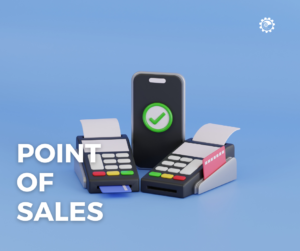
Understanding the POS Systems: More Than Just a Cash Register
A POS system goes far beyond the traditional cash register. It's a comprehensive software and hardware package that acts as the central hub of your checkout process. Here's a breakdown of its core functionalities:
Transaction Processing
Record sales swiftly and accurately, capturing details like itemized purchases, quantities, and sales tax.
Payment Acceptance
Enable seamless processing of various payment methods like cash, credit cards, debit cards, and even contactless payments through mobile wallets.
Inventory Management
Track stock levels in real-time, receive low-stock alerts, and streamline the reordering process, ensuring you never run out of popular items.
Receipt Printing
Provide customers with a physical record of their transaction for record-keeping and tax purposes.
Data Analytics
Generate detailed reports that shed light on sales trends, top-selling items, and customer behavior. This valuable data empowers you to make informed business decisions.
The Building Blocks of a POS Systems
A POS system typically consists of two essential components:
Hardware
This encompasses the physical equipment you interact with daily, including:
- Computer or Tablet: The brains of the operation, where the POS software resides.
- Barcode Scanner: Allows for speedy and accurate scanning of product codes, minimizing errors and streamlining checkout.
- Cash Drawer: A secure container for storing cash received from customers.
- Receipt Printer: Prints out receipts for customers after each transaction.
- Customer Display (Optional): Shows transaction details for customer review before completing the payment, fostering trust and transparency.
Software
This is the heart of the POS system, residing on the computer or tablet. The software facilitates transactions, manages data, and generates reports. Key POS software features to consider include:
- Product Management: Add, edit, and categorize product information for efficient sales processing.
- Customer Management: Store customer information for targeted marketing campaigns and loyalty programs.
- Employee Management: Set user accounts and permissions for your staff to ensure secure operation.
- Security Features: Ensure the software offers robust data encryption to safeguard customer and financial information.
The Advantages of Using a POS System: A Clear Winner
Compared to traditional cash registers, POS systems offer a multitude of benefits:
- Enhanced Efficiency: POS systems automate many tasks, reducing checkout times and minimizing human error.
- Improved Inventory Control: Gain real-time stock visibility, optimize ordering processes, and avoid stockouts.
- Data-Driven Insights: POS systems generate detailed reports, allowing you to identify sales trends, adjust pricing strategies, and make informed business decisions.
- Customer Management Capabilities: Store customer information and create targeted marketing campaigns to boost sales and customer loyalty.
- Scalability and Flexibility: POS systems can adapt to your business growth by adding features and functionalities as needed.
- Payment Processing Integration: Accept a wider range of payment methods, catering to diverse customer preferences.
Choosing the Right POS System for Your Business
With a vast array of POS systems available, it's crucial to choose one that caters to your specific needs. Consider factors like your budget, business size, and desired features. Explore cloud-based or on-premise solutions, and ensure the software is user-friendly for both you and your employees.
Conclusion
POS systems are powerful tools that can streamline your business operations, improve customer satisfaction, and provide valuable insights for making informed decisions. By understanding the components of a POS system and its advantages, you can harness this technology to take your business to the next level. So, ditch the limitations of traditional cash registers and embrace the future of point-of-sale technology!


