The rise of autonomous robots in retail has sparked concerns about job displacement. However, these innovative machines can actually be powerful tools to augment human capabilities, not replace them. Here's how we can leverage autonomous robots in retail to create a more collaborative and efficient work environment:
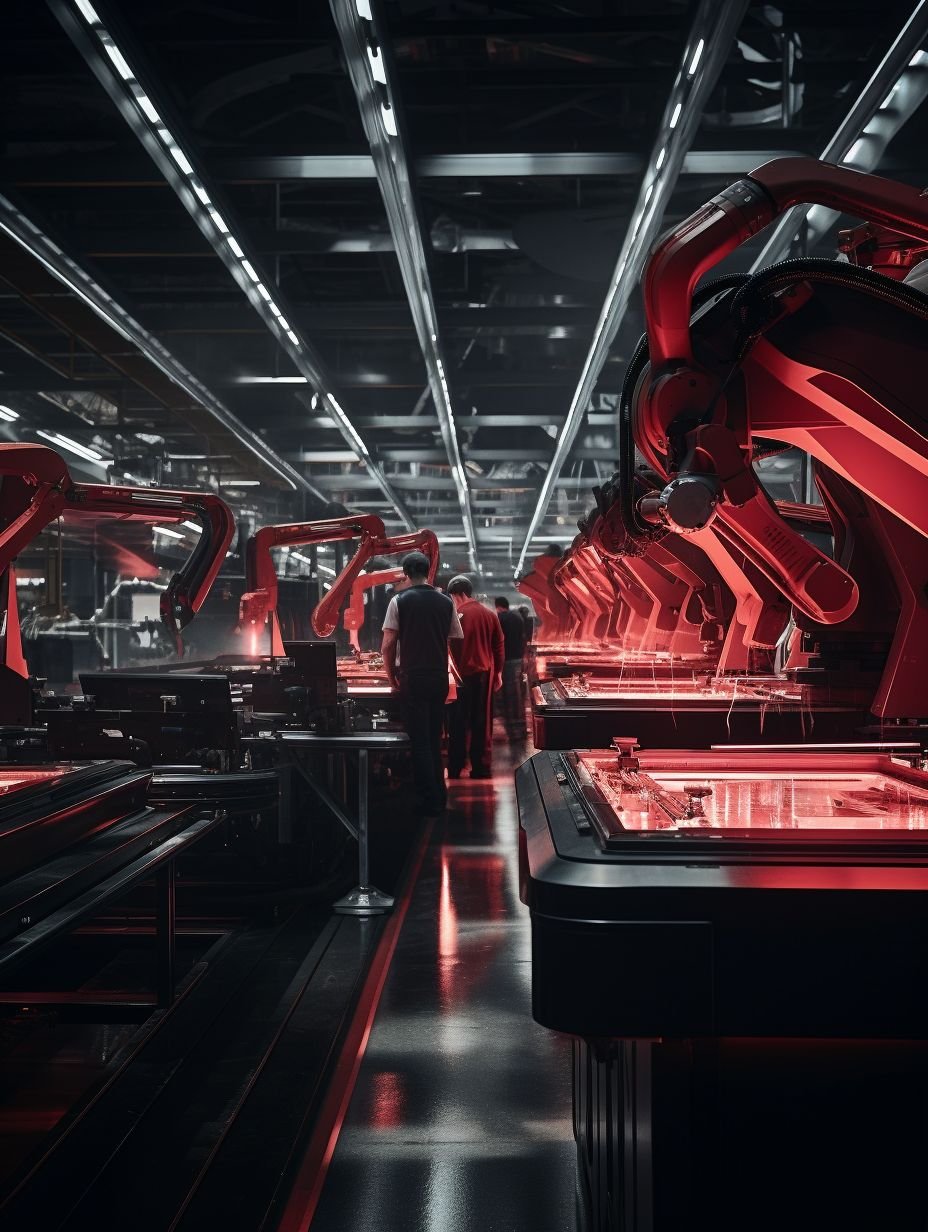
Focus on Repetitive Tasks:
- Cleaning and Maintenance: Robots can tackle routine cleaning tasks like sweeping floors or mopping spills, allowing employees to focus on maintaining hygiene and safety standards.
- Inventory Management: Robots can handle tasks like stock replenishment, shelf scanning, and product localization, freeing up employee time for more customer-centric activities.
- Data Collection and Analysis: Robots equipped with sensors can collect valuable data on customer behavior and product movement. This data can be analyzed by humans to optimize store layouts, product placement, and overall customer experience.
Empowering Human Expertise:
- Customer Service Enhancement: Robots can't replace genuine human interaction. Utilize robots to answer basic customer inquiries or direct them to the right human associate for product recommendations or personalized assistance.
- Loss Prevention: Mobile robots can patrol high-theft areas or monitor inventory discrepancies, allowing employees to intervene in real-time when needed.
- Training and Development: Robots can be used for training simulations, allowing employees to practice customer service scenarios or product knowledge in a safe and controlled environment.
Human-Robot Collaboration:
- Remote Monitoring and Control: Humans can remotely monitor robots and intervene when necessary for troubleshooting, product retrieval, or handling complex customer requests.
- Task Delegation: Employees can utilize robots as assistants, delegating repetitive tasks and focusing on higher-level skills like problem-solving, customer engagement, and building rapport.
- Joint Operations: Imagine a robot fetching items from the stockroom while a human associate assists a customer with a complex purchase. This collaborative approach leverages the strengths of both humans and robots.
Reskilling and Upskilling the Workforce:
As technology evolves, employees may need to acquire new skills to work alongside robots. Retailers can invest in training programs to equip their workforce with skills in:
- Data Analysis: Extracting insights from data collected by robots to optimize store operations.
- Robotics Literacy: Understanding how to interact with and manage robots effectively.
- Advanced Customer Service: Providing personalized experiences and building customer loyalty amidst changing retail landscapes.
Building a Human-Centric Future of Retail
By embracing a collaborative approach, we can harness the potential of autonomous robots without compromising human jobs. The future of retail lies in synergy between humans and machines. Robots can become powerful tools, freeing up our time and talents to focus on the aspects of retail that truly require the human touch: empathy, problem-solving, and building strong customer relationships. This human-centered approach will ultimately lead to a more efficient, satisfying, and personalized shopping experience for all.