The Internet of Things (IoT) and blockchain are two of the most talked-about technologies today. While they might seem separate, when combined, they hold the potential to revolutionize how we interact with the world around us. Let's explore how this powerful marriage can change the game.

What are IoT and Blockchain?
The IoT refers to the vast network of physical devices embedded with sensors and software that collect and exchange data. These "smart" devices can range from fitness trackers on our wrists to connected thermostats in our homes, even self-driving cars on the roads. This network of devices collects a wealth of data, transforming industries and daily life.
Blockchain, on the other hand, is a distributed ledger technology, essentially a digital record of transactions that's not stored on a single computer but replicated across a network of computers. This ensures:
- Security: Any attempt to tamper with the data would be easily detected across the entire network, making it highly secure.
- Transparency: Every transaction is visible to authorized participants, fostering trust and accountability.
- Decentralization: There's no central authority controlling the data, eliminating reliance on a single entity.
- Real-world applications: Securely tracking financial transactions in cryptocurrencies, maintaining transparent records in supply chains, facilitating secure voting systems.
Potential Implementations
The marriage of Blockchain and the Internet of Things (IoT) holds immense potential to revolutionize various aspects of our lives. Here's a glimpse into some exciting possibilities:
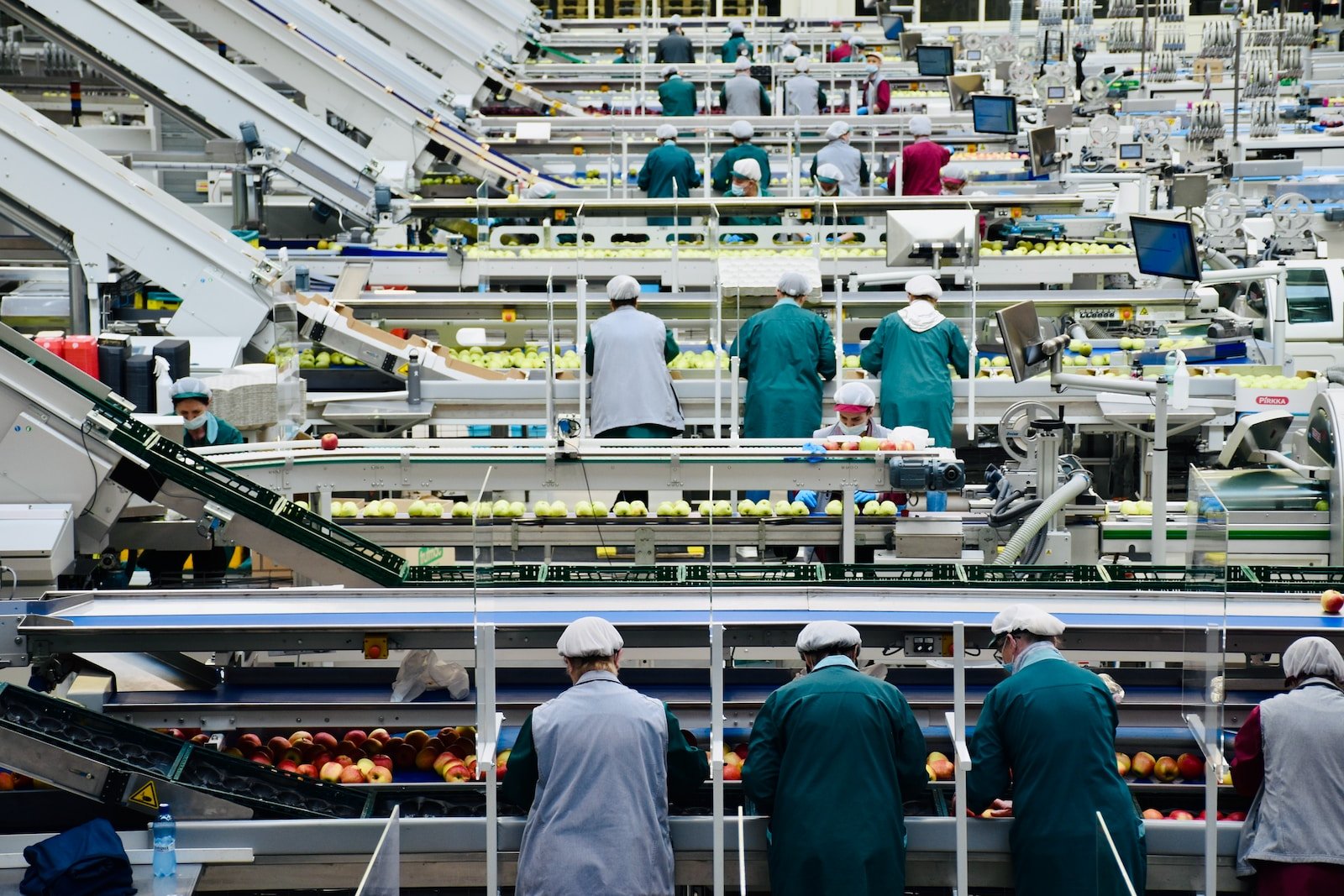
- Enhanced Food Safety: Imagine tracking your food's journey, from farm to fork. Blockchain, with its tamper-proof ledger, can work with IoT sensors to ensure food safety and ethical sourcing. Sensors monitor critical data like location and temperature, creating a transparent record throughout the supply chain.
- Revolutionized Healthcare: Secure medical data management is crucial. Blockchain, combined with wearables, can create secure healthcare ecosystems. Patients control their data, while doctors have access to complete medical history for better diagnosis and treatment.
- Democratized Energy Management: Our current energy grids are often centralized. Blockchain and IoT can enable peer-to-peer energy trading. Homes with solar panels can sell excess energy directly to neighbors. This promotes renewable energy adoption and creates a more dynamic energy market.
- Secured Pharmaceutical Supply Chain: Counterfeit drugs are a major threat. Blockchain platforms can utilize IoT sensors to track medications throughout the supply chain. This ensures authenticity, identifies potential tampering attempts, and fosters trust within the pharmaceutical industry.
- Personalized Insurance Models: Traditional insurance often offers a one-size-fits-all approach. Blockchain and IoT can pave the way for fairer insurance. Vehicles equipped with IoT devices track driving behavior. This data stored on a blockchain allows insurers to tailor premiums based on individual driving patterns, rewarding responsible drivers with lower costs.
These are just a few examples, and the list is constantly growing. The potential of Blockchain and IoT, when implemented strategically, goes beyond just hype. These technologies have the power to transform industries, empower individuals, and create a more secure, transparent, and efficient future. As we continue to explore the possibilities, we can unlock a world brimming with innovation and progress.