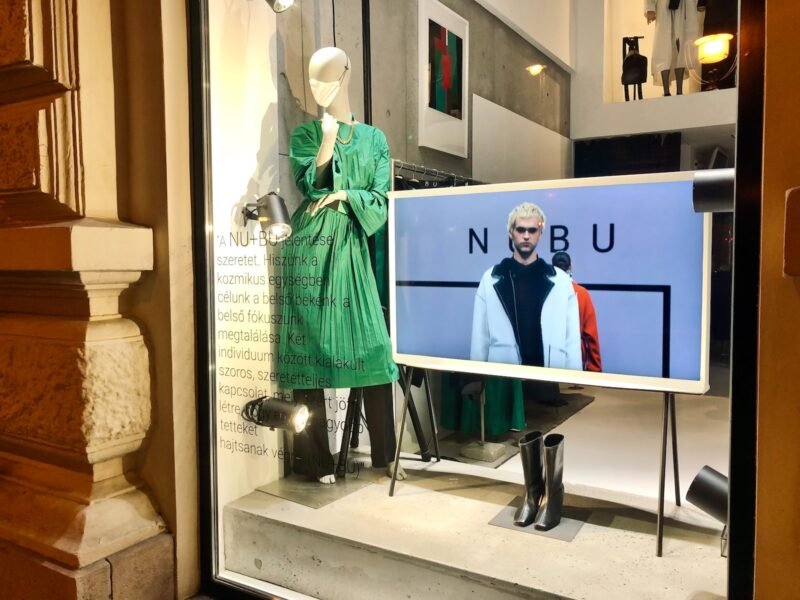
Programmatic DOOH (Digital Out-of-Home) advertising is an automated method of buying and selling ad space on digital screens placed in public spaces. It combines the power of programmatic advertising with the reach and impact of DOOH to deliver targeted messages to the right audience at the right time.
Here's how programmatic DOOH advertising works:
- Inventory: DOOH networks or media owners make their digital screens available for programmatic buying. These screens can be located in various locations such as shopping malls, transit hubs, or outdoor billboards.
- Data and Targeting: Advertisers can leverage data to target specific audiences based on factors such as demographics, location, weather conditions, time of day, or other contextual information. This data can come from various sources, including online behavior, mobile device data, or third-party data providers.
- Demand-Side Platform (DSP): Advertisers use a DSP to access multiple DOOH media inventory sources and manage their programmatic campaigns. The DSP provides tools to set campaign objectives, define target audience segments, and optimize ad delivery based on real-time data.
- Real-Time Bidding (RTB): When a DOOH screen becomes available for an ad placement, a real-time bidding auction takes place within the programmatic ecosystem. Advertisers submit bids for the available ad space based on their targeting criteria and budget. The highest bidder wins the auction and their ad is displayed on the screen.
- Ad Delivery: Once an ad is selected through the bidding process, the DSP communicates with the ad server to deliver the creative content to the chosen DOOH screen. The ad can be a static image, video, or interactive content, depending on the capabilities of the screen.
- Reporting and Optimization: Programmatic DOOH advertising provides real-time reporting and analytics on ad performance, impressions, reach, and engagement. Advertisers can monitor the effectiveness of their campaigns and make adjustments in real-time to optimize performance.
Programmatic DOOH advertising can be a lucrative business to operate for several reasons:
- Targeted Advertising: Programmatic DOOH allows advertisers to precisely target their desired audience based on various data points. This targeted approach increases the relevance of the ads and improves their effectiveness.
- Automation and Efficiency: Programmatic buying eliminates the need for manual negotiations and streamlines the ad buying process. It saves time and resources for both advertisers and media owners.
- Flexibility and Real-Time Updates: Programmatic DOOH enables advertisers to make changes to their campaigns in real-time. They can update creative content, adjust targeting parameters, or allocate budget based on the campaign performance.
- Enhanced Return on Investment (ROI): The combination of targeted advertising, real-time optimization, and analytics helps advertisers achieve better ROI for their campaigns. They can measure the impact of their ads and make data-driven decisions for future campaigns.
- Monetization Opportunities: For DOOH media owners, programmatic advertising opens up additional revenue streams. By making their inventory available for programmatic buying, they can attract a wider range of advertisers and maximize the utilization of their screens.
Overall, programmatic DOOH advertising offers a win-win scenario for both advertisers and media owners. Advertisers can reach their target audience with precision, while media owners can monetize their digital screens more effectively. With the continued growth of digital signage and advancements in programmatic technology, the future of programmatic DOOH advertising looks promising.