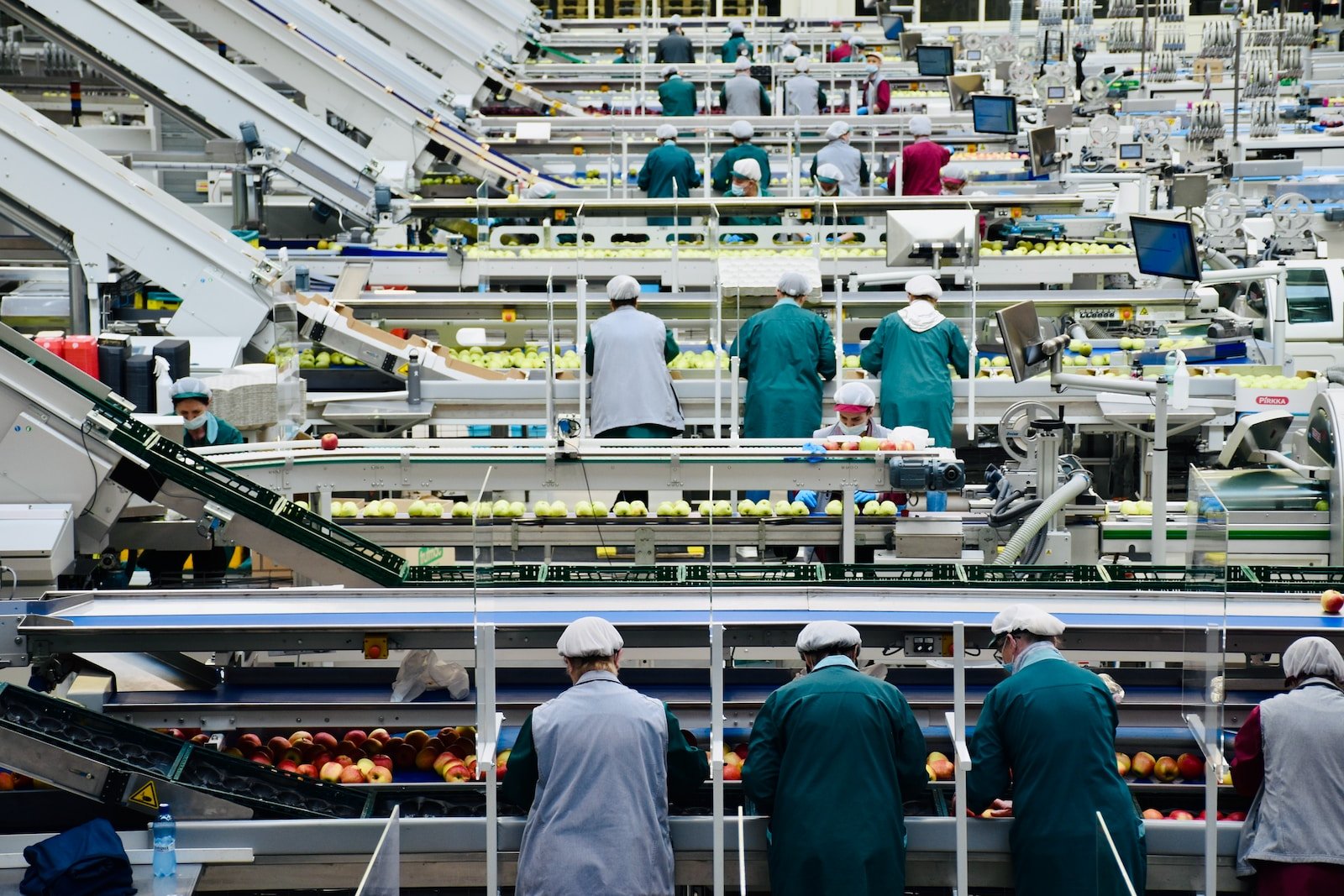
Embedded systems are the hidden heroes of our modern world, silently powering everything from smartphones and thermostats to self-driving cars and industrial robots. But understanding how these tiny computers function requires a grasp of some key terms. Let's delve into the essential embedded systems vocabulary:
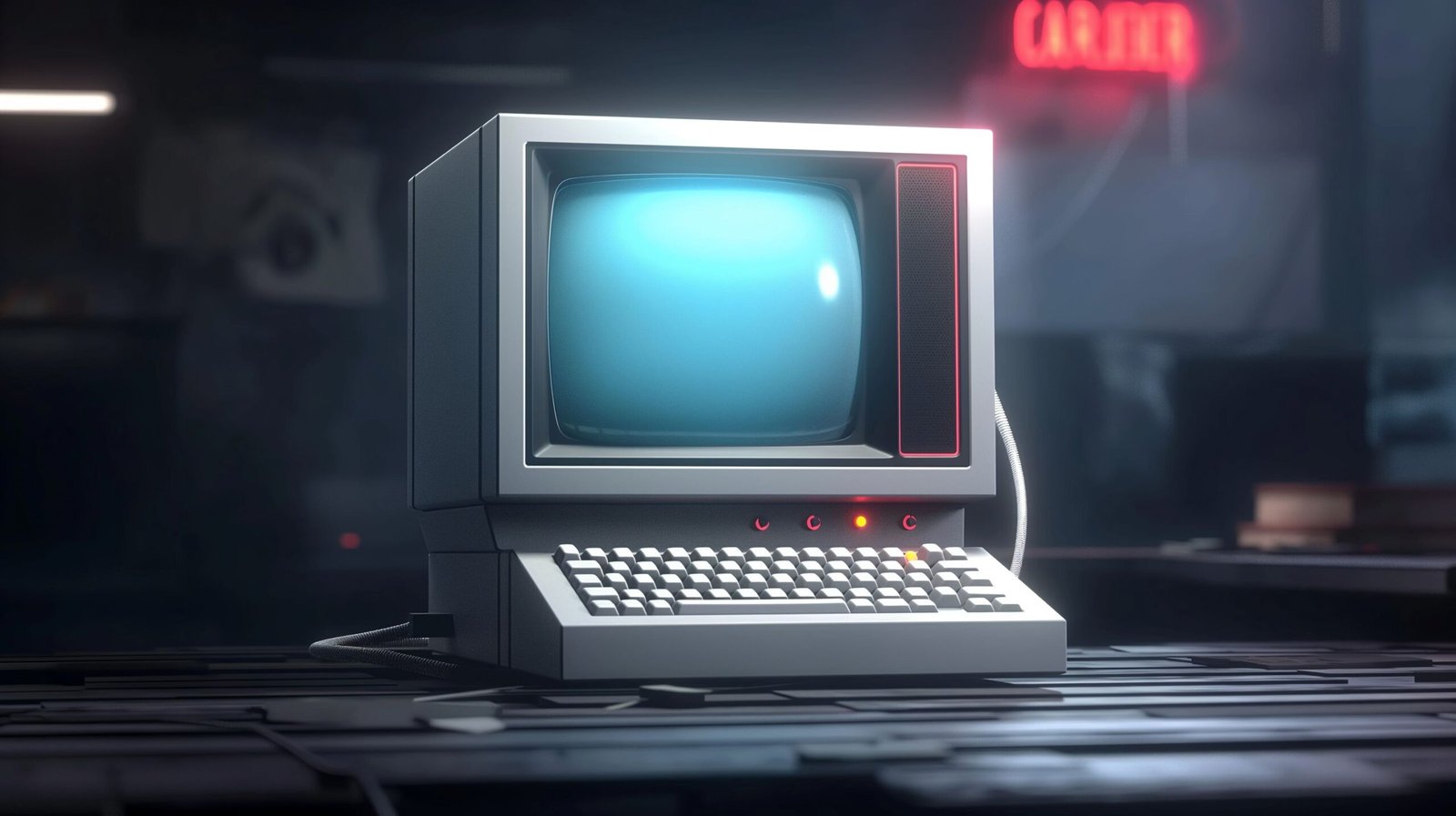
- Microcontroller (MCU): The heart of most embedded systems, an MCU is a self-contained chip integrating a processor, memory, and input/output (I/O) capabilities. Think of it as a tiny computer designed for a specific task.
- Microprocessor (MPU): Similar to an MCU, an MPU is a central processing unit, but it typically lacks built-in memory and I/O functionalities. MPUs are often found in more complex embedded systems requiring higher processing power.
- Real-Time Operating System (RTOS): Unlike the familiar operating systems on your computer, an RTOS is a lightweight software program designed for real-time responsiveness. It ensures tasks are completed within strict deadlines, critical for embedded systems controlling physical processes.
- Interrupt Service Routine (ISR): Embedded systems often juggle multiple tasks. An ISR is a specific program segment that temporarily halts the current task to handle a higher-priority event, like a sensor reading or button press.
- Analog-to-Digital Converter (ADC): The real world is analog, but embedded systems operate digitally. An ADC bridges the gap by converting analog signals (like voltage) from sensors into digital data the processor can understand.
- Digital-to-Analog Converter (DAC): The flip side of the coin, a DAC converts digital signals from the processor into analog outputs to control devices like motors or LEDs.
- Sensor: These tiny electronic devices convert physical phenomena like light, temperature, or pressure into electrical signals for the embedded system to interpret.
- Actuator: The action arm of the system, an actuator receives electrical signals from the processor and translates them into physical actions, such as turning a motor or adjusting a valve.
- Memory: Embedded systems rely on different types of memory. Flash memory stores permanent program code, while RAM provides temporary storage for data processing.
- Bus: A communication pathway within the embedded system allows data to flow between the processor, memory, and peripherals.
By understanding these core terms, you'll gain a deeper appreciation for the intricate world of embedded systems that silently shape our lives. This knowledge can be a stepping stone to further explore the fascinating world of embedded system design and development.