In today's world, efficiency and automation are king. RFID (Radio-Frequency Identification) systems are stepping up to the challenge, offering a powerful and versatile solution for tracking and identifying objects. But what exactly is RFID, and how is it transforming various industries?
RFID stands for Radio-Frequency Identification. It's a technology that uses radio waves to automatically identify and track objects. Imagine tiny barcodes that can be read wirelessly, from a distance, and even through some materials!
How do RFID Systems Work?
At its core, an RFID system consists of two main players: tags and readers.
- The Tag: An RFID tag consists of a microchip and an antenna. The chip stores the data, while the antenna transmits and receives radio signals from a reader device.
- The Reader: An RFID reader emits radio waves that activate the tag and read the data stored on its chip. The reader can then communicate this data to a computer system for processing.

Types of RFID Tags
- Passive Tags: These rely on the reader's radio waves to power their chip. They are typically smaller, cheaper, and have a shorter reading range.
- Active Tags: These have their own internal battery, allowing for a longer reading range and the ability to transmit data to the reader. They are generally more expensive than passive tags.
The Benefits
Compared to traditional barcodes, RFID boasts several advantages.
- Faster and More Accurate Data Collection: RFID tags can be read much faster than barcodes, even in large quantities. Additionally, they are less prone to errors since line-of-sight scanning isn't required.
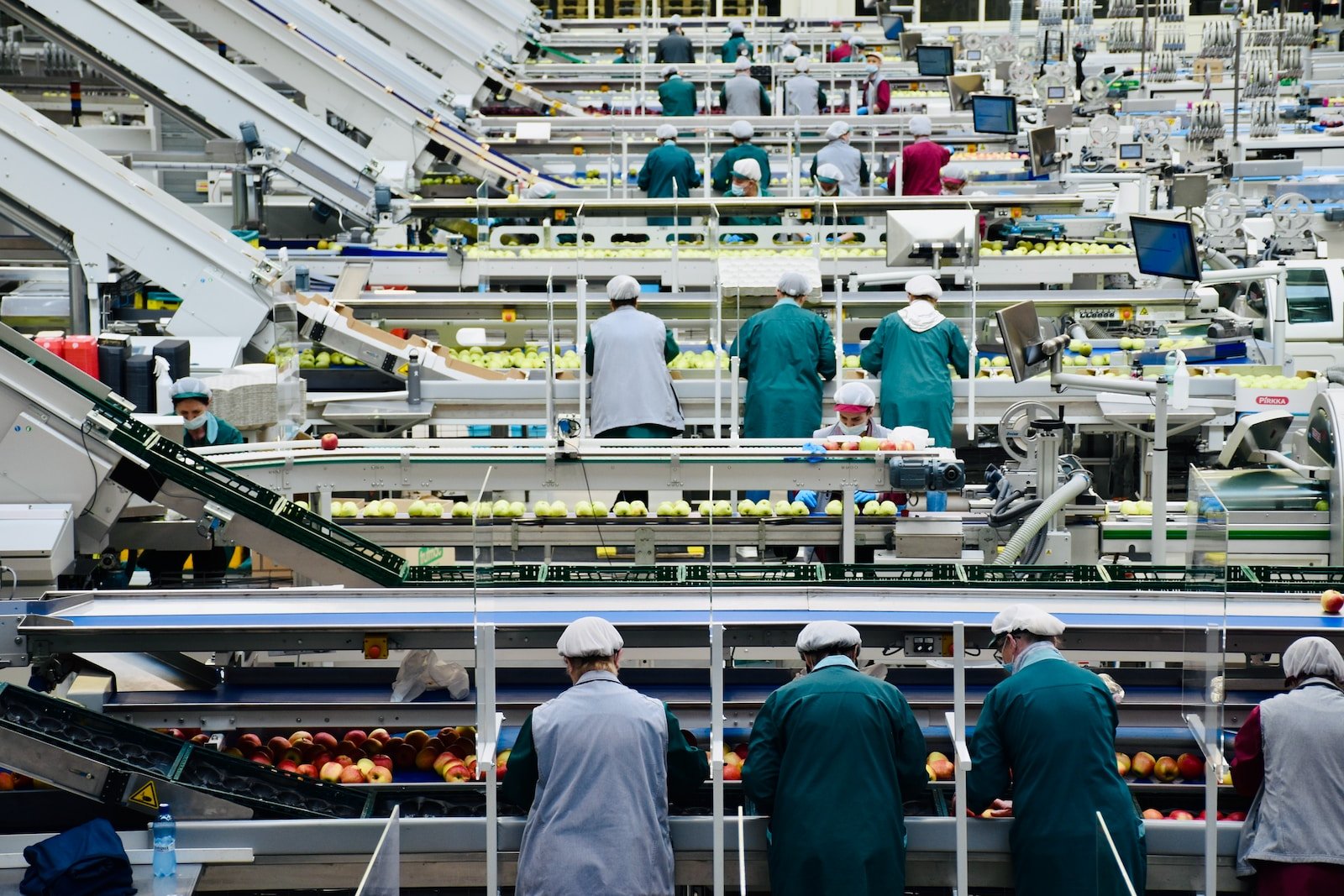
- Improved Tracking and Inventory Management: Products equipped with RFID tags can be tracked throughout the supply chain, from manufacturing to retail stores, providing real-time location data and streamlining inventory management.
- Enhanced Security: RFID tags can be programmed with unique identifiers and security features to prevent counterfeiting and unauthorized access.
- Increased Efficiency in Various Applications: From access control systems to contactless payments, RFID tags can automate processes and improve efficiency in various sectors.
Uses Case
The beauty of RFID is that it's contactless. Unlike barcodes that require a line of sight, RFID tags can be read even if they're hidden or buried within a package. This makes them ideal for a variety of applications.
- Supply Chain Management: Tracking inventory movement throughout the supply chain. RFID allows businesses to monitor the movement of goods, optimize stock levels, and prevent theft or loss.
- Retail: Streamline checkout processes with self-scanning kiosks or automated payment systems triggered by RFID tags. This not only reduces wait times but also deters shoplifting.
- Asset Tracking: Monitoring the location and status of valuable assets like tools, equipment, or vehicles.
- Access Control: Securing entrances to buildings, restricted areas, or events with RFID-enabled badges.
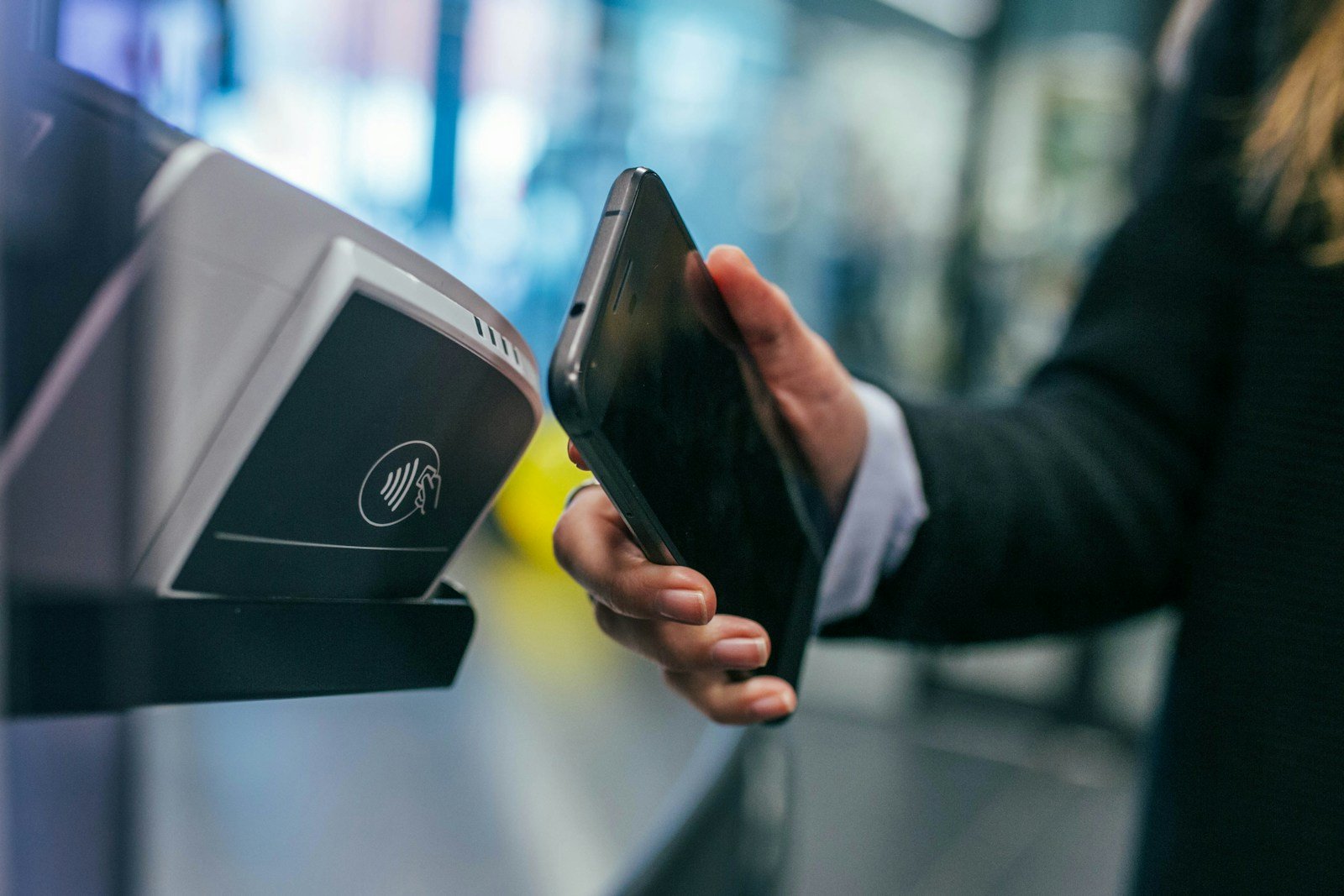
- Payment Systems: Contactless payment options like tap-and-pay use RFID technology embedded in cards or smartphones.
- Animal Identification: Implanted RFID microchips can track animals, monitor their health, and ensure their safety in the agricultural industry.
- Library Management: Automating book borrowing and returns in libraries using RFID tags embedded in books.
The Future of RFID
As RFID technology continues to evolve, we can expect even more innovative applications. Integration with other technologies like the Internet of Things (IoT) holds immense potential for creating smart environments with seamless tracking and data collection. From contactless payments to personalized product information at retail stores, the future of RFID is brimming with exciting possibilities.
Conclusion
RFID systems are revolutionizing the way we identify and track objects. Their versatility, efficiency, and ability to operate without line-of-sight make them a valuable tool across various industries. As technology advances, we can expect RFID to play an even greater role in shaping a more connected and automated future.