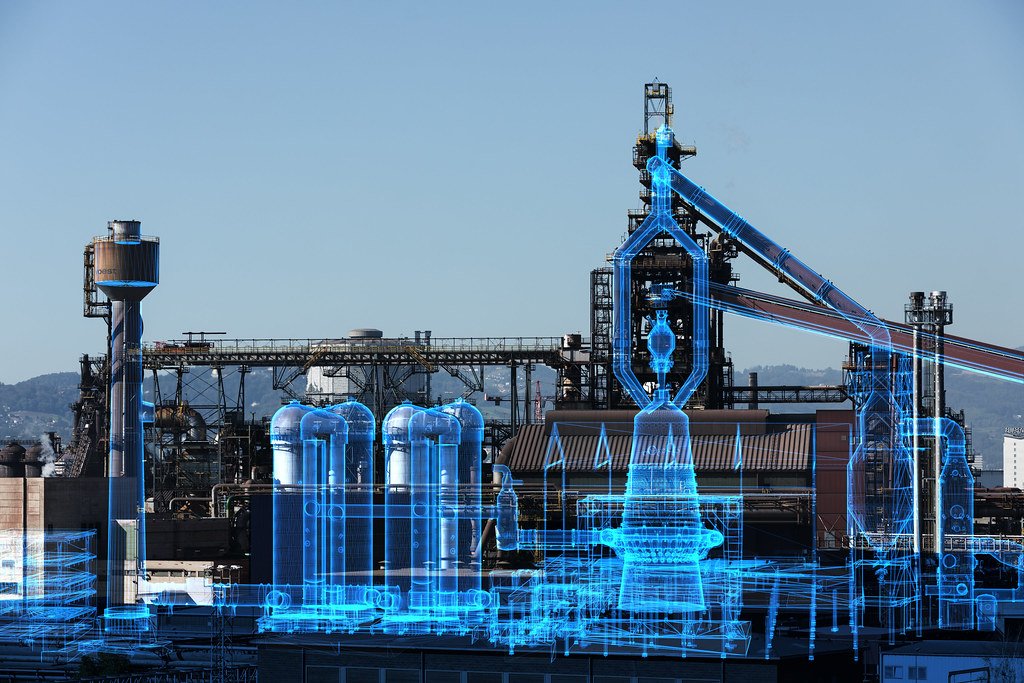
The term "metaverse" refers to a virtual universe, often depicted in science fiction, which is comprised of a vast network of interconnected virtual spaces, where people can interact with each other and with artificial intelligence in a seemingly seamless and immersive manner.
In the most general sense, a metaverse is a virtual space that combines elements from both physical and digital worlds, allowing users to experience a kind of reality that transcends the physical world. This concept is often imagined as a sort of virtual reality or cyberspace, where people can interact with each other and with digital environments and objects in a way that feels just as real as the physical world.
In practice, the concept of a metaverse is still in its early stages of development. Currently, metaverse experiences are most commonly found in the form of online gaming, where users can create avatars, interact with each other, and participate in virtual adventures and quests. Other examples of metaverse experiences include virtual reality environments, such as Second Life, as well as augmented reality experiences, where digital content is overlaid on the real world.
There is a lot of interest and investment in the development of a metaverse, as many see it as the next evolution of the internet and a new frontier for commerce, entertainment, and social interaction. Some envision a future where the metaverse becomes the primary way that people interact with each other and with digital content, potentially replacing the physical world as the dominant form of human experience.
VR and Metaverse
Virtual Reality (VR) plays a crucial role in the development of the metaverse. VR technology allows users to experience a fully-immersive and interactive virtual environment, simulating the sensation of being physically present in a digital world. This capability is essential for creating the illusion of a seamless and believable metaverse, where users can interact with each other and with virtual objects as if they were in a real-world environment.
In VR, users wear a headset that covers their eyes and ears, blocking out the physical world and fully immersing them in a virtual environment. VR controllers are used to interact with objects and navigate through the environment. This setup creates a highly convincing illusion of presence, where users feel like they are actually present in the virtual world.
This level of immersion is key to realizing the potential of the metaverse as a new form of reality, where people can interact, work, and play in a virtual environment that feels just as real as the physical world. VR can also enable new forms of creativity and expression, allowing users to create and explore virtual environments that would be impossible in the physical world.
Other technologies in the ecosystem
The development of the metaverse requires a wide range of technological advancements beyond just virtual reality (VR). Some of the other key technologies being developed in parallel to create the metaverse ecosystem include:
- Augmented Reality (AR): AR technology allows digital content to be overlaid on the physical world, creating a hybrid experience that combines elements of both the real and virtual worlds. AR will likely play a significant role in the metaverse, enabling users to experience a seamless blend of the physical and virtual worlds.
- Blockchain: Blockchain technology will likely play a key role in the metaverse by providing a secure and transparent infrastructure for transactions and interactions within virtual environments. It will also provide a way to manage digital assets, such as virtual real estate, currency, and collectibles, which will be critical components of the metaverse economy.
- 5G and Edge Computing: The metaverse will require fast and reliable network connectivity to support the high-bandwidth and low-latency requirements of VR and AR experiences. 5G and edge computing technologies will play a crucial role in enabling the seamless and immersive experience that is necessary for the metaverse to function.
- AI and Machine Learning: AI and machine learning will be important for enabling realistic and responsive interactions between users and digital objects and environments in the metaverse. AI-powered agents and digital assistants will also be critical for providing support and assistance to users in virtual environments.
- Spatial Computing: Spatial computing refers to the use of 3D technology and mapping to understand and interact with physical space. This technology will be essential for enabling VR and AR experiences that are spatially aware and responsive to the real-world environment.
- Cloud Computing: The metaverse will require massive computing power to support the complex simulations and environments required to create believable and immersive virtual experiences. Cloud computing technologies will be critical for enabling the scalable and cost-effective infrastructure necessary for the metaverse to function.