Gone are the days of lengthy checkout lines and impatient sighs. The rise of self-service checkouts (SCOs) has transformed the retail landscape, offering customers a faster and more convenient way to pay for their purchases. But how did these self-serve stations come to be, and what are the advantages and potential drawbacks of this technology?
The Evolution of Self-Service Checkouts
The concept of SCOs emerged in the 1980s, but technological limitations and customer apprehension initially hampered their widespread adoption. However, advancements in barcode scanning, user-friendly interfaces, and the growing consumer demand for convenience have propelled SCOs into the mainstream.
How Do Self-Service Checkouts Work?
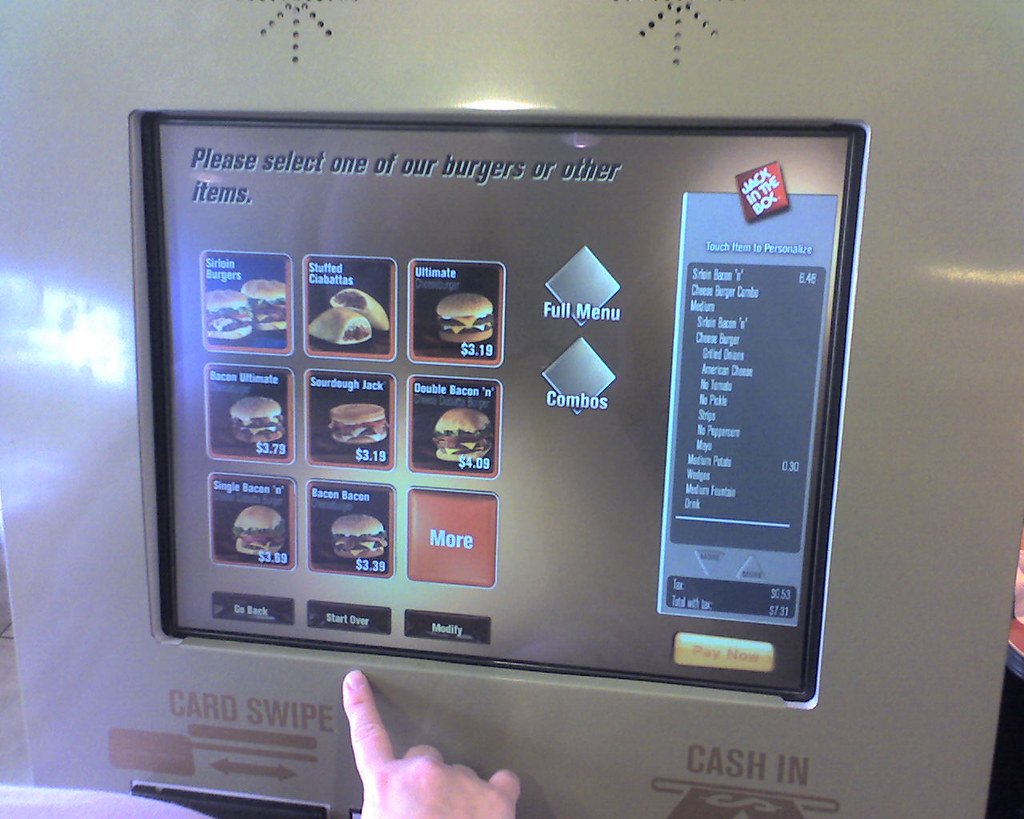
SCOs typically consist of a touchscreen interface, a barcode scanner, a payment terminal, and sometimes a weight scale for loose items. Customers scan their purchases, bag them in designated areas, and then choose their preferred payment method, be it cash, credit card, or contactless payment.
Benefits of Self-Service Checkouts
Research shows a clear advantage for both parties. A study by NCR Corporation found that 46% of respondents aged 18-34 prefer using self-service over service with a cashier. This preference is likely driven by several key advantages:
- Faster Checkouts: SCOs reduce reliance on cashiers, leading to shorter lines and quicker checkout experiences for customers, especially during peak hours. This is especially beneficial for shoppers with only a few items, who can avoid lengthy queues.
- Convenience and Control: Self-service allows shoppers to take charge of their checkout experience. They can scan their items at their own pace, bag them as they prefer, and use their preferred payment method, all without waiting for assistance.
- Labor Cost Efficiency: While not a complete replacement for cashiers, SCOs can help optimize staffing levels in stores. Additionally, self-service kiosks can operate 24/7, catering to late-night shoppers.
- Privacy for Certain Purchases: For some shoppers, self-checkout offers a level of privacy not available at traditional checkouts. This can be particularly relevant for purchases of personal care items or discreet gifts.
- Improved Inventory Management: Self-service systems can be integrated with inventory management software, allowing for real-time stock updates and reducing the risk of human error in manual scanning.
Drawbacks and Considerations
It's important to acknowledge that self-service checkouts aren't perfect. Some customers, particularly those with large purchases or requiring assistance, might still prefer traditional checkouts. Additionally, certain technical difficulties or product scanning issues can be frustrating for users.
- Limited Payment Options: Some SCOs may not accept all forms of payment, such as checks or coupons, which can be inconvenient for some customers. Retailers can address this by ensuring a mix of SCOs and traditional cashier lanes to cater to diverse payment preferences.
- Complexity for Certain Items: Items requiring age verification or assistance (like weighed produce) can be cumbersome at SCOs. Here, clear signage and well-trained staff readily available to assist SCO users can minimize frustration and ensure a positive experience.
- Job displacement concerns: The rise of SCOs has sparked concerns about job losses in the retail sector. However, many retailers have adopted a blended approach, using SCOs alongside cashier-operated checkouts. SCOs can free up cashiers to focus on customer service tasks like assisting with product selection, returns, or age verification, potentially leading to a more personalized shopping experience.
The Future of Self-Service Checkouts
The future of SCOs is likely to involve continued advancements in technology. We can expect:
- Improved Self-Scanning Technology: Smarter scanners using cameras or RFID tags could eliminate the need for manual scanning.
- AI-powered Assistance: Virtual assistants at SCOs could guide customers through the process and troubleshoot any issues.
- Integration with Loyalty Programs: SCOs could seamlessly integrate with loyalty programs for a more personalized experience.
Conclusion
Self-service checkouts offer a convenient and often faster alternative to traditional checkout lines. While there are some drawbacks to consider, the technology continues to evolve, offering a glimpse into a future of streamlined and efficient shopping experiences. Ultimately, the success of SCOs lies in striking a balance between customer convenience, security, and the human element of customer service.