The battle against climate change calls for innovative solutions, and the Internet of Things (IoT) is stepping up as a game-changer in the quest for a sustainable future powered by clean energy. Here’s how IoT is revolutionizing the generation, distribution, and consumption of green energy:
Enhancing Efficiency with Smart Green Energy Technology
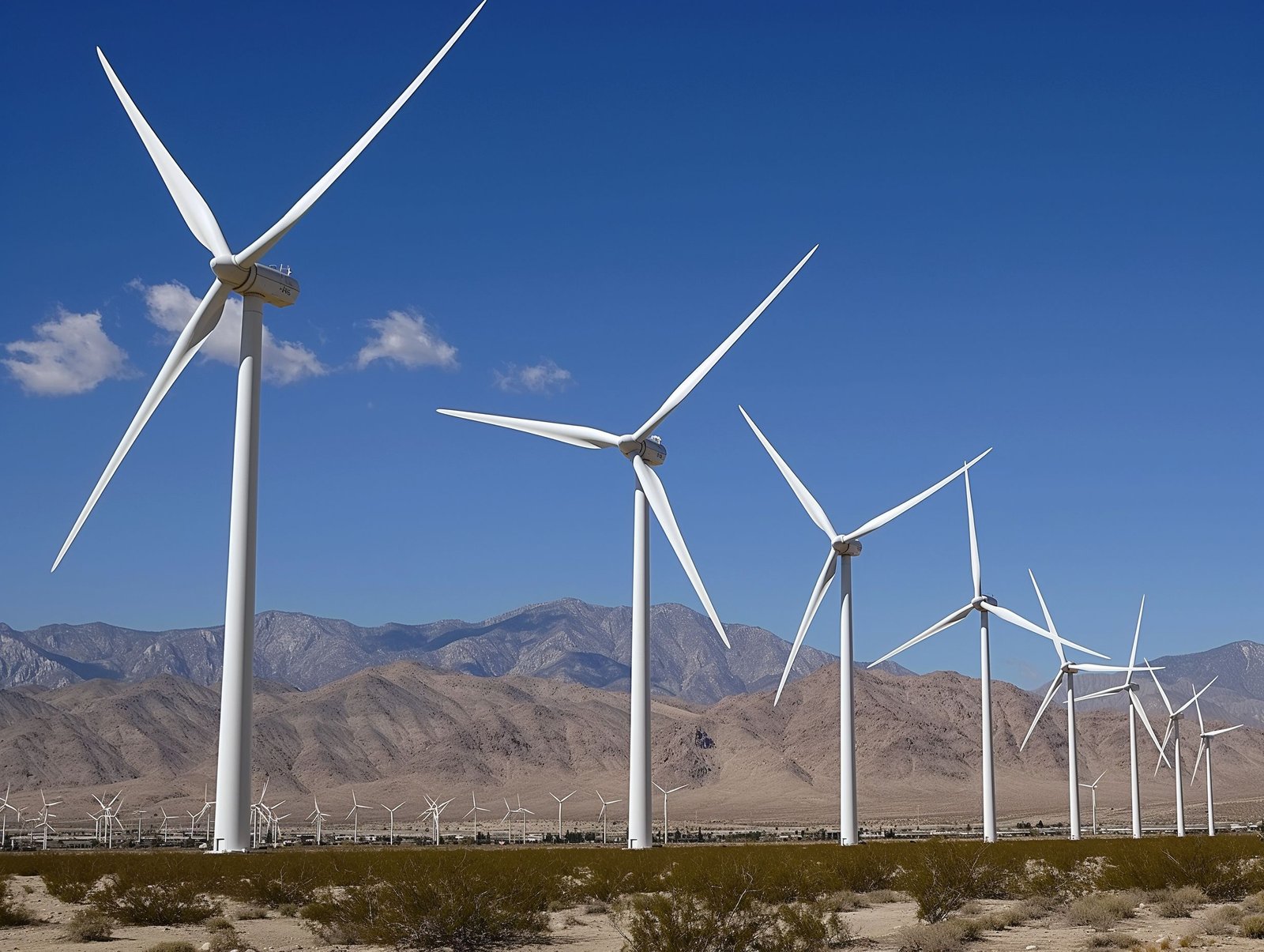
Picture this: solar panels that adjust their angle throughout the day to capture optimal sunlight, or wind turbines that predict wind patterns to maximize energy production. This is the transformative power of IoT. By integrating sensors and connected devices, we can:
- Maximize Renewable Energy Production: IoT systems monitor weather conditions and equipment performance to make real-time adjustments. This optimizes the output of solar panels, wind turbines, and other renewable energy sources, ensuring peak efficiency.
- Revamp Grid Management: Unlike traditional grids that are one-directional, IoT enables the creation of a "smart grid." This innovative system collects energy usage data from homes and businesses, allowing for dynamic power distribution. It reduces reliance on peak power plants and integrates renewable sources more effectively.
Empowering Green Energy Choices for Consumers
IoT isn't just about large-scale energy solutions; it also enables individuals to actively participate in the green energy movement:
- Smart Homes and Appliances: Imagine a home where thermostats and lighting adjust automatically based on occupancy and weather. Smart appliances can be programmed to operate during off-peak hours, reducing energy consumption and potentially lowering electricity bills. IoT empowers consumers to minimize their energy footprint.
- Real-Time Energy Monitoring: Smart meters provide real-time data on energy usage, helping consumers identify high consumption areas and make informed decisions. For example, an app might reveal the energy consumption of your washing machine, guiding you towards more sustainable practices.
Building a Greener Future
The benefits of IoT extend beyond efficiency, contributing to a more sustainable energy landscape:
- Predictive Maintenance: IoT monitors equipment health, allowing for predictive maintenance of wind turbines, solar panels, and other renewable infrastructure. This minimizes downtime and ensures consistent operation of green energy sources.
- Demand Response Programs: With real-time energy data, consumers can engage in demand response programs. Imagine earning rewards for reducing your energy use during peak times, which helps balance the grid and incorporate more renewable energy sources.
Addressing Challenges and Moving Forward
While the potential of IoT in green energy is vast, there are challenges to consider:
- Security Risks: The expansion of interconnected devices increases vulnerability to cyber threats. Strong cybersecurity measures are essential to safeguard infrastructure and consumer data.
- Standardization Needs: With numerous IoT devices and protocols, standardization is crucial for seamless communication and data exchange across systems.
- Consumer Awareness: Educating consumers about the benefits of IoT for green energy is vital for driving adoption and maximizing its impact.
Embracing a Connected, Sustainable Future
The future of energy is inherently connected, with IoT playing a central role in advancing sustainability. By optimizing energy use, enabling smart grids, and empowering consumer choices, IoT is paving the way for a cleaner, more efficient world. As technology evolves and challenges are addressed, the potential for a greener future through IoT continues to expand.