Are you looking to set up a virtual conference system in your office? Setting up a seamless virtual conference experience requires a few essential components and considerations. From the right software to audio and video equipment, as well as a reliable internet connection, we'll guide you through the key elements to help you create a productive and engaging virtual conference environment.
- Computer or Device: A computer or a compatible device with a stable internet connection is necessary to host or participate in virtual conferences. Ensure that the device meets the technical requirements for the conferencing software you plan to use.
- Conferencing Software: Choose a reliable and secure conferencing software platform that suits your needs. Popular options include Zoom, Microsoft Teams, Google Meet, Webex, or other similar applications. Compare features, pricing, and compatibility with your devices before making a decision.
- Audio Equipment: High-quality audio is crucial for effective virtual conferences. Invest in a good microphone or headset to ensure clear and crisp audio transmission. Consider options with noise-cancelling features to minimize background disturbances.
- Video Equipment: While not mandatory, a webcam or integrated camera in your device can enhance the conference experience by allowing participants to see each other. Ensure the camera quality is adequate for clear video transmission.
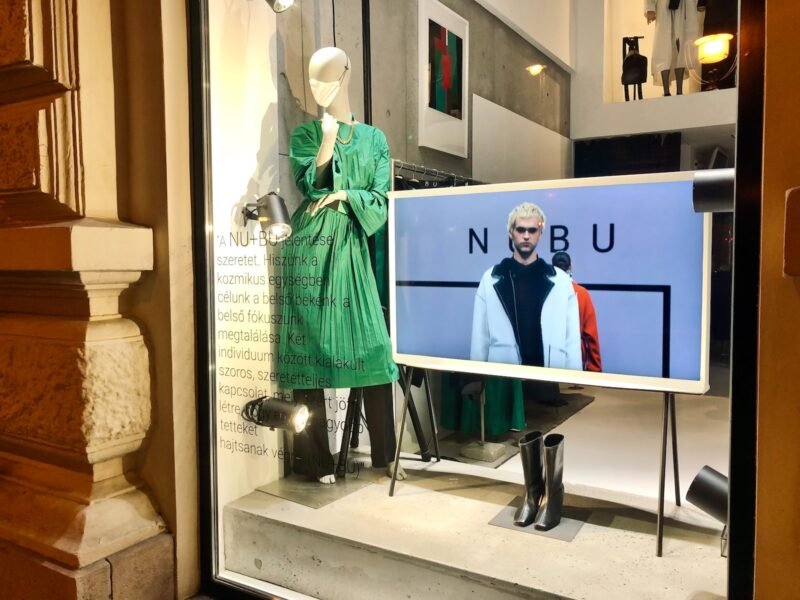
- Display: A larger display, such as a monitor or TV screen, can be beneficial if you have multiple participants in the conference. It allows everyone to see each other more clearly, improving engagement and communication.
- Internet Connection: A stable and high-speed internet connection is crucial for smooth video and audio streaming during virtual conferences. Check your internet speed and ensure it meets the recommended requirements of your chosen conferencing software.
- Lighting and Background: Consider your lighting setup and background to ensure clear visibility and professionalism during the conference. Adequate lighting on your face and a clutter-free background can make a positive impression.
- Headphones or Speakers: Depending on your preference, you may need headphones or speakers to listen to the conference audio. Choose devices that provide good sound quality and comfort for extended periods.
- Dedicated Conference Space: Designate a quiet and distraction-free area in your office for hosting virtual conferences. This space should ideally have minimal background noise and offer privacy.
- Testing and Familiarization: Prior to hosting or participating in an important virtual conference, conduct a test run to ensure all the equipment and software are functioning correctly. Familiarize yourself with the conferencing software features, such as screen sharing, recording, and chat options.
Remember to regularly update your conferencing software and associated devices to benefit from the latest features and security patches. Additionally, consider any specific requirements or recommendations from your organization or industry to ensure compliance and data protection.