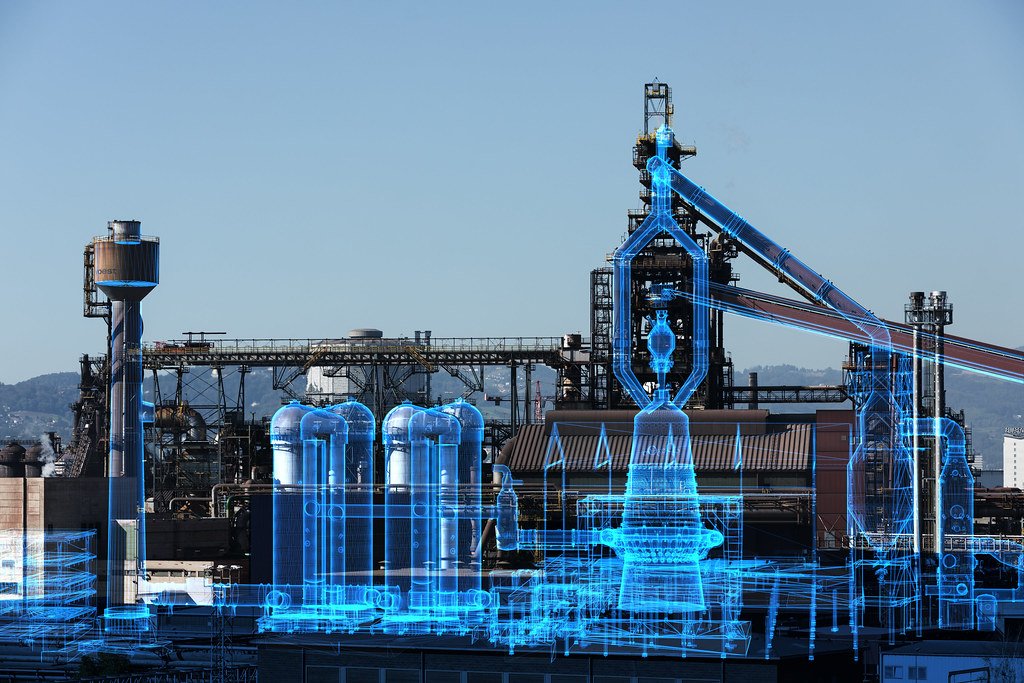
Mixed reality (MR) can be integrated into virtual production studios to enhance the immersive experience and interaction between real and virtual elements. Mixed reality combines elements of both virtual reality (VR) and augmented reality (AR) to create a seamless blend of the physical and digital worlds.
Some ways mixed reality can be integrated into a virtual production studio, including:
- Real-time Virtual Object Interaction
Mixed reality can enable real actors or objects to interact with virtual characters or objects in real-time. Using motion capture and tracking technologies, the movements and actions of real actors or objects can be synchronized with virtual elements, creating a cohesive and interactive experience. - Virtual Set Extensions
Mixed reality can be used to extend physical sets by adding virtual elements to enhance the environment. For example, a physical room set can be extended virtually to appear like a vast landscape. This integration allows actors to physically interact with parts of the set while visualizing the extended virtual elements. - Virtual Props and Effects
Mixed reality can replace or enhance physical props with virtual counterparts. For example, a physical weapon can be replaced with a virtual weapon that interacts with the actor and the environment. Additionally, virtual effects such as explosions or magical spells can be overlaid in real-time, providing immediate visual feedback to the actors and crew. - Interactive Visualization
Mixed reality can provide a more immersive visualization of the final product during the production process. By wearing MR headsets or using MR displays, filmmakers can see the virtual elements integrated into the real-world environment in real-time. This allows for better decision-making and adjustments during shooting. - Real-time Camera Tracking and Integration
Mixed reality technology can be used to track the camera's position and movement, enabling precise integration of virtual elements into the camera feed. This ensures that the virtual elements align accurately with the real-world footage, enhancing the realism of the final output.
By integrating mixed reality into virtual production studios, filmmakers can create a more interactive and dynamic production environment. It enables real-time collaboration between actors, directors, and visual effects artists, allowing for greater creativity and flexibility in the filmmaking process.