Consumer projectors and commercial projectors are designed for different applications and have distinct features that cater to their respective target audiences.
Consumer projectors are primarily intended for personal use in home entertainment settings. They are typically used for watching movies, playing video games, or displaying content for small gatherings. Consumer projectors tend to prioritize factors such as affordability, ease of use, and image quality. They often have lower brightness levels and resolution compared to commercial projectors. Consumer projectors may also include features like built-in speakers, wireless connectivity options, and multimedia compatibility to enhance user experience. These projectors are usually portable and user-friendly, allowing individuals to set them up easily in their living rooms or home theaters.
On the other hand, commercial projectors are designed for professional settings such as offices, conference rooms, classrooms, and large venues. They are built to meet the demands of frequent and extended usage. Commercial projectors offer higher brightness levels to accommodate well-lit environments and larger screens. They often have higher resolutions and advanced image processing technologies to ensure crisp and clear visuals. Commercial projectors may also provide various connectivity options, including multiple inputs and networking capabilities, to facilitate integration with other professional equipment. Additionally, they typically offer more robust construction and are designed for ceiling mounting or permanent installations.
Here's a general overview of the lumen range you can expect from commercial projectors:
- Small to Medium Conference Rooms and Classrooms: Commercial projectors designed for small to medium-sized conference rooms and classrooms typically offer a brightness range of around 3,000 to 5,000 lumens. This range ensures clear visibility of the projected content even in moderately lit environments and when projecting onto larger screens.
- Large Conference Rooms, Auditoriums, and Lecture Halls: For larger venues, commercial projectors provide higher brightness levels. The lumen range for these applications usually starts from 5,000 lumens and can go up to 10,000 lumens or more. These projectors are designed to overcome ambient light and ensure visibility over larger distances and screen sizes.
- Large Venues, Stadiums, and Exhibition Halls: In venues with significant ambient light or when projecting onto very large screens, commercial projectors with even higher brightness levels are required. In these cases, the lumen range can exceed 10,000 lumens and go up to 20,000 lumens or higher. These projectors provide exceptional brightness to deliver clear and vibrant visuals in challenging lighting conditions.
It's important to note that the required brightness level depends on factors such as the ambient light in the room, screen size, and the distance between the projector and the screen. Additionally, advancements in projection technology may lead to the availability of projectors with even higher brightness levels than mentioned here. When selecting a commercial projector, it's recommended to assess the specific requirements of your intended application to determine the appropriate lumen range.
There are several use cases where consumer projectors cannot effectively replace commercial projectors. These include:
- Large Venue Presentations
Commercial projectors are specifically designed to project images in large venues such as conference halls, auditoriums, and stadiums. They offer high brightness levels and long throw distances, ensuring clear visibility even in well-lit environments and from a distance. Consumer projectors may not have the necessary brightness or throw capabilities to cover such large spaces effectively. - Professional Presentations
Commercial projectors often provide advanced features and connectivity options that cater to professional presentations. These features may include network control, multiple inputs, advanced image adjustment options, and compatibility with professional AV equipment. They are designed to meet the demands of business environments where seamless integration and extensive control are required. - Digital Signage and Advertising
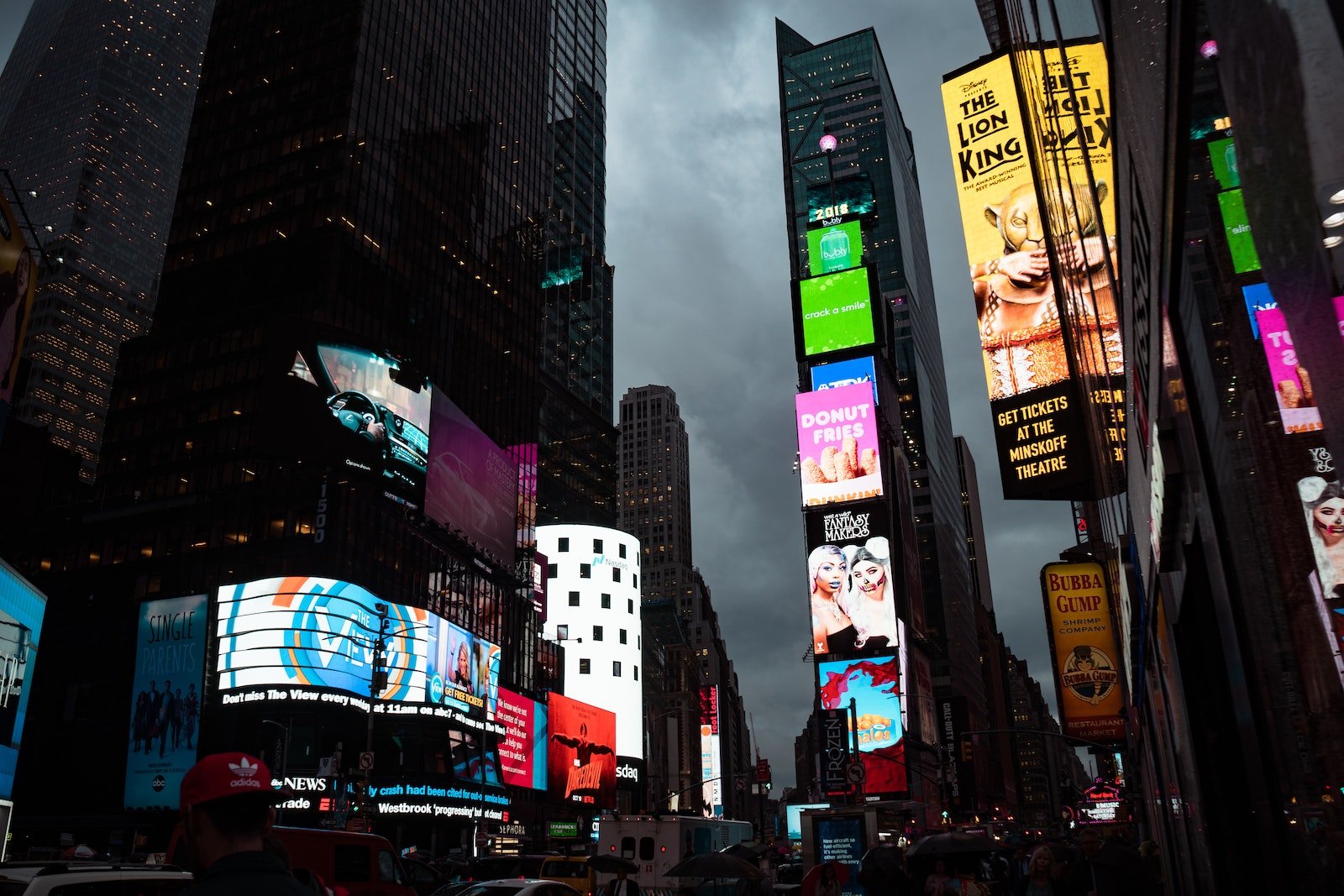
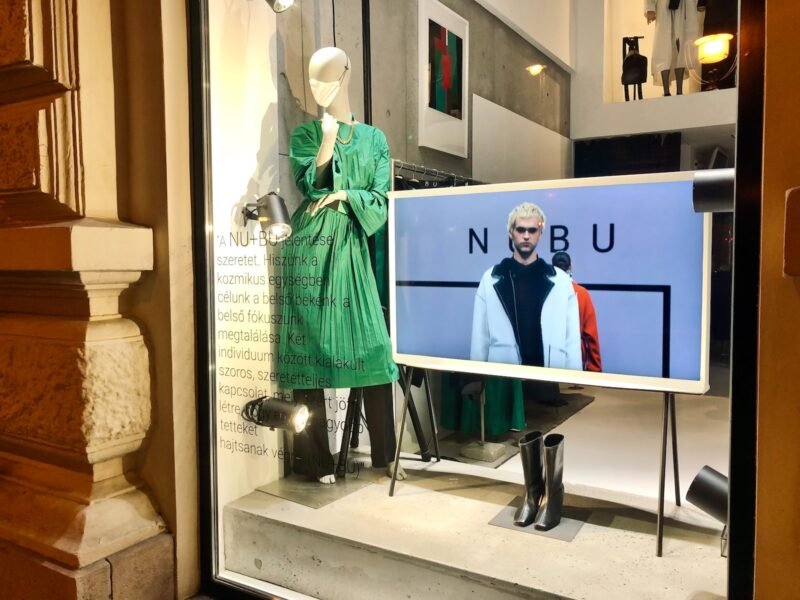
Commercial projectors are commonly used for digital signage and advertising applications in retail stores, airports, stadiums, and other public spaces. These projectors offer high brightness, long lamp life, and robust performance to deliver eye-catching visuals that can withstand continuous operation in commercial settings. They often come with features like scheduling, remote management, and specialized projection mapping capabilities. - Education and Training
In educational institutions and training facilities, commercial projectors are often preferred due to their durability, brightness, and connectivity options. They can handle long hours of usage, accommodate larger classrooms, and offer interactive features like touch capability or compatibility with interactive whiteboards. These features enhance the learning and training experience, which may not be available in most consumer projectors. - Rental and Staging Events
For live events, concerts, trade shows, and other temporary installations, commercial projectors are commonly used. They are designed to withstand frequent transport, easy installation, and quick setup. Rental and staging projectors are typically high-performance units with high brightness levels, seamless blending capabilities, and flexible mounting options to meet the demands of temporary event installations. - 24/7 Continuous Operation
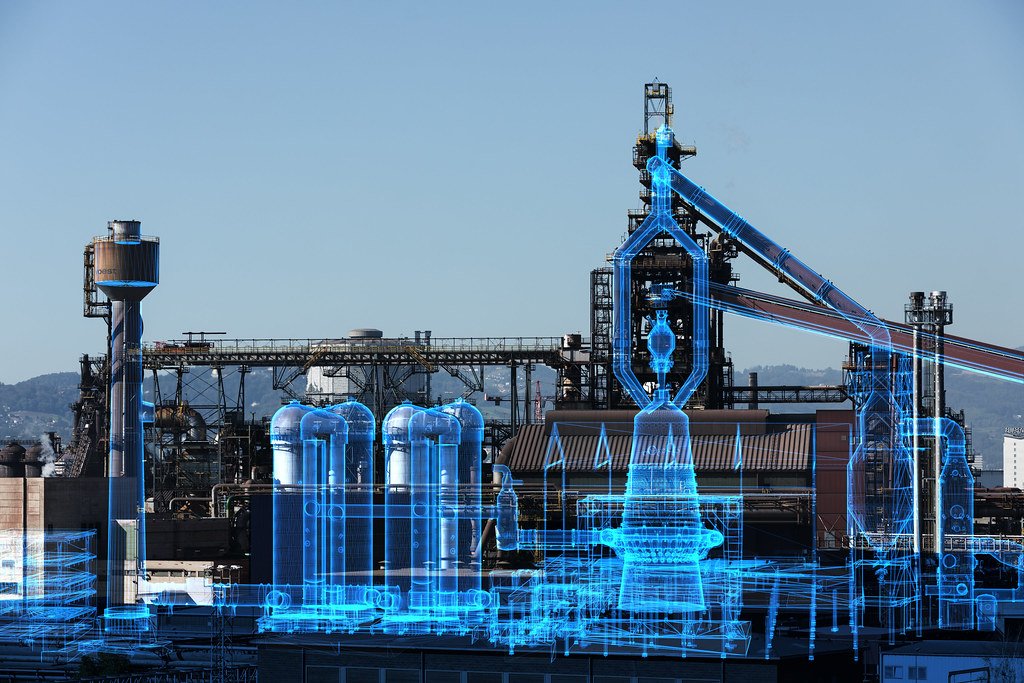
Some commercial applications require projectors to operate continuously without interruption, such as control rooms, surveillance centers, and digital signage in transportation hubs. Commercial projectors are designed with robust components and cooling systems to handle extended operation without compromising performance or reliability. Consumer projectors are not typically intended for continuous operation and may not be able to handle the same level of reliability and durability.