In today's competitive retail landscape, understanding customer behavior is no longer a luxury – it's a necessity. Traditional methods of data collection, like surveys and loyalty programs, while valuable, often lack the depth and real-time nature needed to truly optimize the retail experience. This is where the Internet of Things (IoT) steps in, acting as a game-changer for retailers seeking a deeper understanding of their customers.

IoT: A Network of Insights
IoT refers to the interconnection of everyday devices with the internet, enabling them to collect and transmit data. In retail, this translates to a network of sensors, cameras, smart shelves, and even connected products that gather valuable information about customer interactions within the store.
Unlocking the Power of In-Store Analytics with IoT
Here's how IoT empowers retailers to gain a treasure trove of customer insights:
- Foot Traffic Analysis: Sensors track customer movement throughout the store, revealing popular areas, underutilized sections, and potential bottlenecks. This data helps optimize store layout, product placement, and staffing levels.
- Product Engagement: Smart shelves equipped with RFID (Radio Frequency Identification) technology can track which items customers pick up, examine, and ultimately purchase. This allows retailers to identify popular products, gauge customer interest in specific features, and analyze "dead zones" on shelves where products are overlooked.
- Heat Mapping: Thermal cameras or Wi-Fi analytics can create heat maps that visualize the density of customer traffic in various parts of the store. This helps retailers understand how customers navigate the space, identify areas requiring better product displays or signage, and optimize promotional placements.
- Dwell Time Analysis: By tracking how long customers spend browsing specific products or sections, retailers can gain insights into product interest and potential purchase intent. This data can inform targeted promotions, personalized recommendations, and adjustments to product displays.
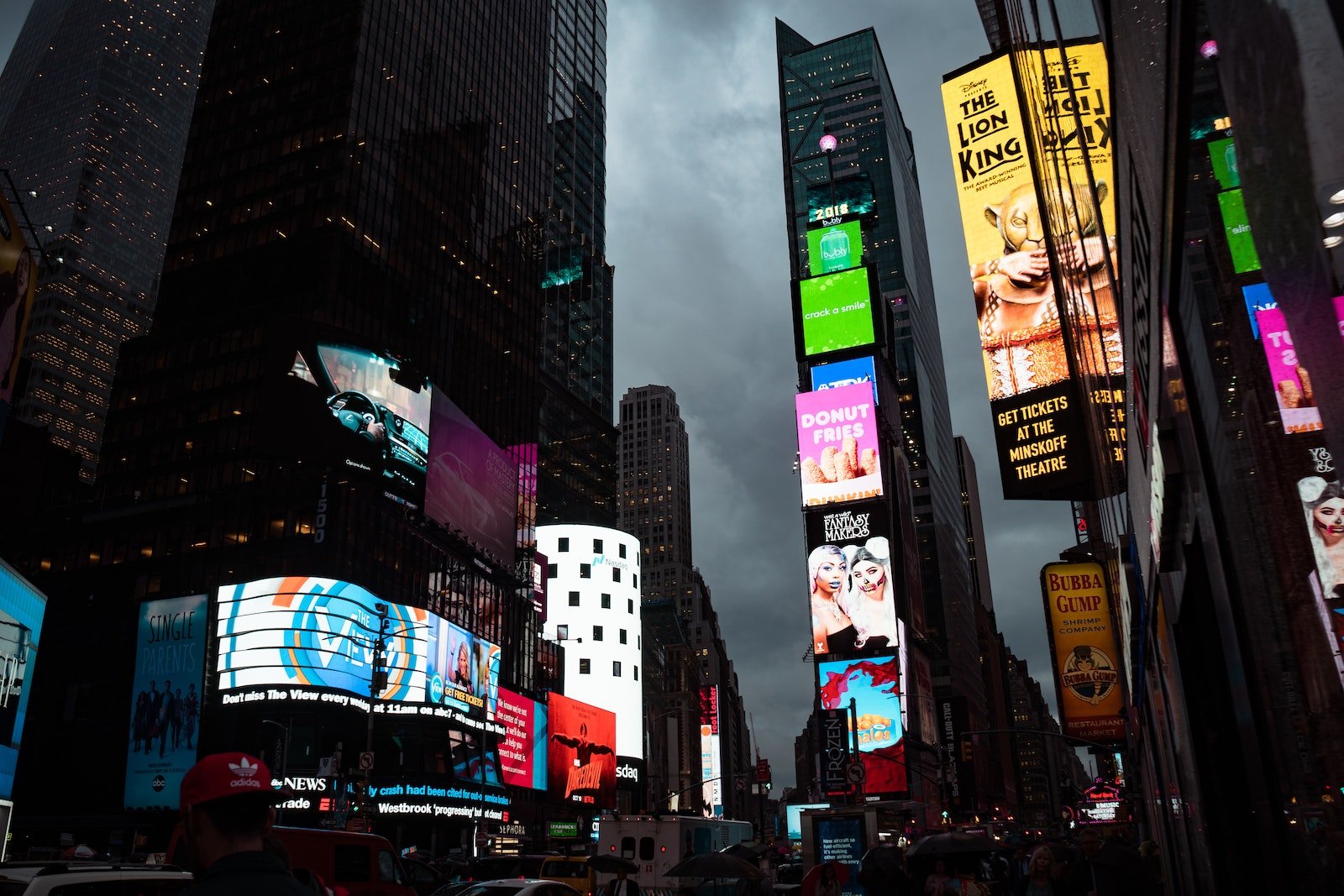
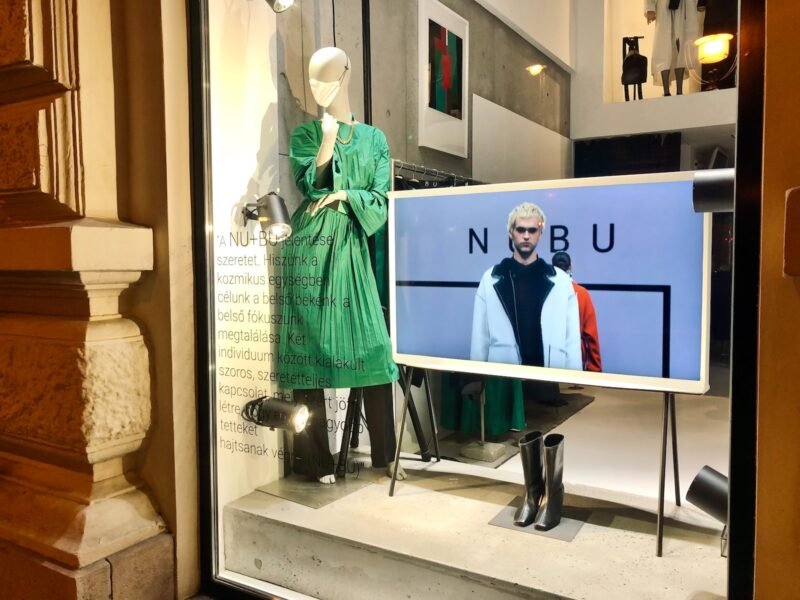
- Interactive Displays and Feedback Systems: IoT-enabled touchscreens and digital signage can provide customers with product information, reviews, and personalized recommendations. Additionally, these systems can capture customer feedback through polls, surveys, or satisfaction ratings, offering real-time insights into customer preferences.
Beyond the Store Walls: Location-Based Insights
The power of IoT extends beyond the physical store walls. By leveraging connected devices and loyalty programs, retailers can gain insights into customer behavior even when they're not actively shopping:
- Proximity Marketing: Smartphones with Bluetooth Low Energy (BLE) technology can be used for targeted messaging. As customers enter a specific zone near the store, they can receive personalized promotions, product recommendations, or discount offers on their phones.
- Click-and-Collect Behavior: Tracking customer journeys from online browsing to in-store pick-up provides valuable insights. Retailers can analyze time spent in the store after pick-up, additional purchases made, and overall customer satisfaction with the omnichannel experience.
- Smart Packaging: Products equipped with RFID tags can track customer journeys after purchase. This data can reveal how customers use the product, identify areas for improvement, or even enable targeted marketing campaigns based on usage patterns.
Empowering Informed Decisions with Real-Time Data
The beauty of IoT-powered insights lies in their real-time nature. Unlike traditional methods, IoT data provides immediate feedback, allowing retailers to adjust strategies and optimize the customer experience on the fly.
Transforming the Retail Experience
Armed with these insights, retailers can:
- Personalize the Shopping Journey: Leveraging customer data, retailers can offer personalized product recommendations, targeted promotions, and tailored assistance.
- Optimize Inventory Management: By tracking product movement and customer interest, retailers can optimize stock levels, avoid overstocking or understocking, and ensure products are readily available when customers desire them.
- Improve Store Layout and Design: Insights into customer traffic patterns can inform strategic store layout changes, product placement based on browsing behavior, and the creation of more engaging shopping experiences.
- Reduce Shrinkage: Smart shelves and real-time inventory tracking can help identify potential theft or product discrepancies, leading to improved loss prevention strategies.
IoT: Not a Silver Bullet, a Powerful Tool
While IoT offers immense potential, it's crucial to remember it's not a magic solution. Successful implementation requires careful planning, data security measures, and a clear understanding of how to translate insights into actionable strategies. Additionally, ethical considerations regarding data privacy and customer consent are paramount.
The Future of Retail is Smart
The future of retail is undoubtedly connected. As IoT technology continues to evolve and become more affordable, we can expect even more innovative applications. Integration with artificial intelligence (AI) can enable real-time analysis of customer behavior, leading to hyper-personalized shopping experiences. Additionally, the rise of connected homes and wearable devices opens doors for even deeper insights into customer preferences and product usage.