The Internet of Things, commonly abbreviated as IoT, is a revolutionary technology that is rapidly transforming the way we live, work, and interact with the world. At its core, IoT refers to the connection of everyday objects and devices to the internet, enabling them to collect, share, and analyze data in real-time. This technology has the potential to drive efficiency, enhance productivity, and create new opportunities for innovation and growth across various industries.

Understanding the Basics of IoT
In simple terms, IoT is a network of interconnected devices, sensors, and systems that communicate with each other and the internet to perform specific tasks. These devices can range from simple household items, such as light bulbs, thermostats, and refrigerators, to complex industrial machinery and equipment. By embedding sensors and connectivity into these objects, IoT enables them to generate, collect, and exchange data in real-time, creating a seamless and interconnected web of information.
The core components of IoT include:
- Sensors and Devices: These are the physical objects or "things" that are connected to the internet, enabling them to collect, process, and transmit data.
- Connectivity: This refers to the communication protocols and technologies that allow sensors and devices to connect and communicate with each other and the internet, such as Wi-Fi, Bluetooth, Zigbee, and LoRaWAN.
- Data Processing and Analysis: This involves collecting, processing, and analyzing the data generated by sensors and devices to derive insights, make decisions, and automate processes.
- User Interfaces and Applications: These are the tools and platforms that enable users to interact with and control IoT devices, as well as visualize and analyze the data they generate.
Applications and Use Cases of IoT
IoT has numerous applications and use cases across various industries, including:
- Smart Home: IoT enables homeowners to monitor and control various aspects of their homes, such as temperature, lighting, and security, using smart devices like Amazon Echo, Google Home, and Nest.
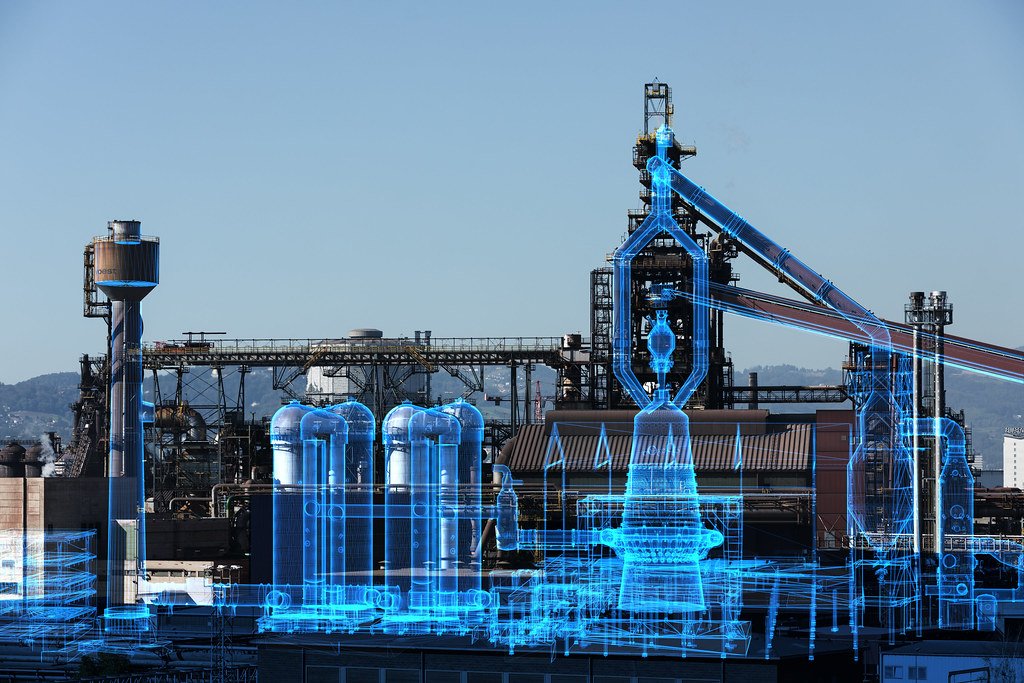
- Industrial Automation: IoT can be used to optimize industrial processes, improve efficiency, and reduce costs by monitoring and controlling machinery, equipment, and inventory in real-time.
- Healthcare: IoT can be used to monitor patients' health, administer medication, and provide remote care, improving patient outcomes and reducing healthcare costs.
- Transportation: IoT can be used to optimize logistics, manage fleets, and improve safety by monitoring vehicles, roads, and traffic in real-time.
- Agriculture: IoT can be used to monitor soil, weather, and crop conditions, enabling farmers to optimize crop yields, reduce water consumption, and improve sustainability.
Benefits and Challenges of IoT
The benefits of IoT include:
- Increased Efficiency: IoT can help businesses and organizations optimize their operations, reduce costs, and improve productivity by automating processes and providing real-time insights.
- Improved Decision Making: IoT can provide valuable data and insights that can be used to make informed decisions, identify trends, and predict outcomes.
- Enhanced Safety and Security: IoT can be used to monitor and control critical infrastructure, such as power plants, hospitals, and transportation systems, improving safety and security.
However, IoT also poses several challenges, including:
- Security and Privacy: IoT devices are vulnerable to cyber attacks and data breaches, posing risks to users' privacy and security.
- Interoperability: IoT devices and systems often use different communication protocols and standards, making it difficult to integrate and manage them.
- Complexity: IoT systems can be complex and difficult to manage, requiring specialized skills and expertise.
Conclusion
The Internet of Things (IoT) is a powerful technology that has the potential to transform the way we live, work, and interact with the world. By connecting everyday objects and devices to the internet, IoT enables them to collect, share, and analyze data in real-time, driving efficiency, enhancing productivity, and creating new opportunities for innovation and growth. While IoT poses several challenges, such as security, privacy, and interoperability, the benefits of this technology far outweigh the risks, making it an essential tool for businesses and organizations looking to stay competitive in the digital age.