In today's world, security is paramount. Whether it's protecting your home, office, or sensitive data, having a reliable system to control access is essential. This is where access control systems (ACS) come in. But what exactly are they, and how can the Internet of Things (IoT) elevate their capabilities?
What is an Access Control System (ACS)?
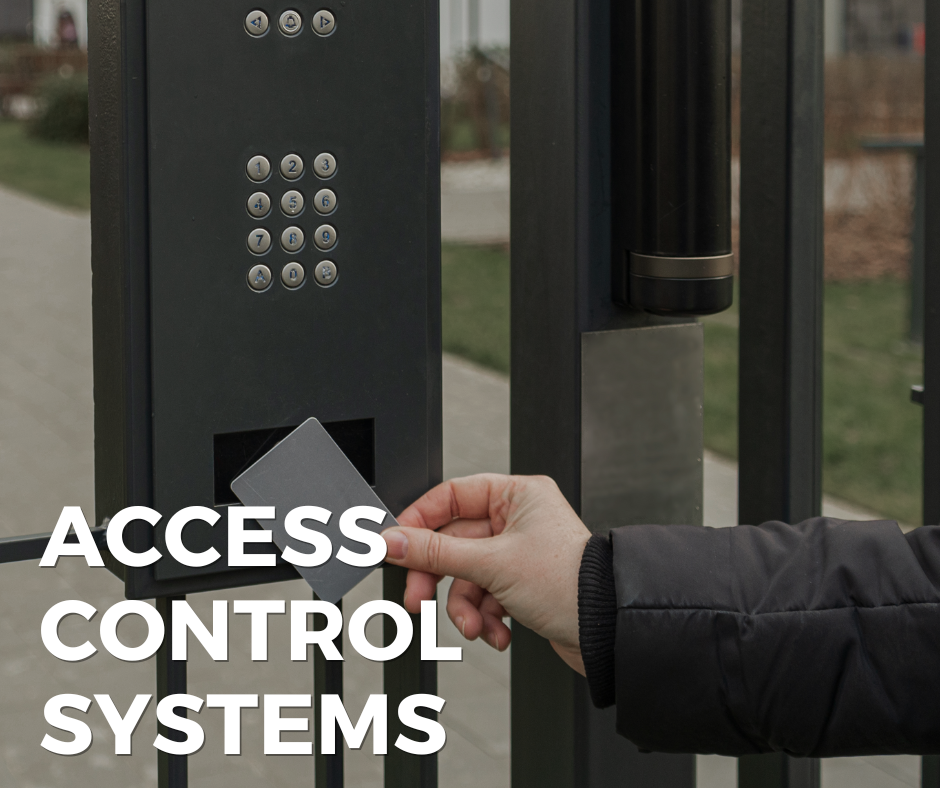
An access control system is a security solution that regulates who or what can enter a specific area. Traditionally, these systems relied on physical keys or key cards. Today, ACS have become more sophisticated, incorporating technologies like keypads, fingerprint scanners, and even facial recognition.
How Does an ACS Work?
The core components of an ACS include:
- Credentials: These are the methods used to identify individuals or objects seeking access, such as key cards, fobs, or smartphone apps.
- Readers: These devices verify the validity of the presented credential.
- Control Panel: This central unit processes information from readers and grants or denies access based on pre-programmed rules.
- Doors or Access Points: These are the physical barriers secured by the ACS, often integrated with electronic locks.
Benefits of an ACS
- Enhanced Security: ACS restrict access to authorized personnel, deterring unauthorized entry and potential theft.
- Improved Access Management: Granting or revoking access becomes easier and more efficient compared to physical keys.
- Detailed Access Logs: ACS track who entered or exited a specific area and at what time, providing valuable audit trails.
- Increased Convenience: Keyless access with fobs or smartphone apps allows for a smoother user experience.
The Rise of IoT in Access Control:
The integration of IoT with ACS unlocks a new level of security and functionality:
- Remote Access Management: Grant or revoke access remotely using a smartphone app or web interface, set access schedules for recurring visitors or deliveries, and schedule automatic access for pre-approved individuals.
- Real-Time Monitoring: Receive instant notifications whenever someone enters or exits a secure area, track access history for a detailed audit trail, and monitor access attempts in real-time to identify suspicious activity.
- Integration with Other Systems: Connect your ACS to security cameras, alarms, and building automation systems for a more comprehensive security ecosystem.
- Mobile Credentials: Use your smartphone as a secure access credential to eliminate the need for separate key cards.
- Biometric Authentication: Utilize fingerprint or facial recognition for an even more secure and convenient access experience.
Examples of IoT-enabled Access Control:
- Smart Offices: Employees can use their smartphones to unlock doors, access printers, and control building functions like lighting and temperature. They can also control their personal workspace environment through an access control app.
- Apartment Buildings: Residents can gain access to common areas or their apartments using fobs or smartphone apps. Restricted access zones for sensitive areas like labs, libraries, or administrative offices can be installed with multi-factor authentication.
- Data Centers: Strict access controls with multi-factor authentication ensure only authorized personnel can enter sensitive server rooms.
Choosing the Right ACS with IoT
When selecting an IoT-enabled ACS, consider factors like the size of your facility, security needs, budget, and desired features. Look for systems that offer scalability to accommodate future growth and ensure they integrate seamlessly with your existing infrastructure.
The Future of Access Control with IoT
As IoT technology continues to evolve, we can expect even more advanced access control solutions. Artificial intelligence can be integrated for anomaly detection, and voice recognition may become a viable credential verification method. The future of access control is undoubtedly connected, intelligent, and focused on creating a more secure and convenient experience.