A control room is the nerve center of any organization, where various operations and activities are monitored and managed. But how do you create an efficient control room? Let's dive into the essential components and design considerations.
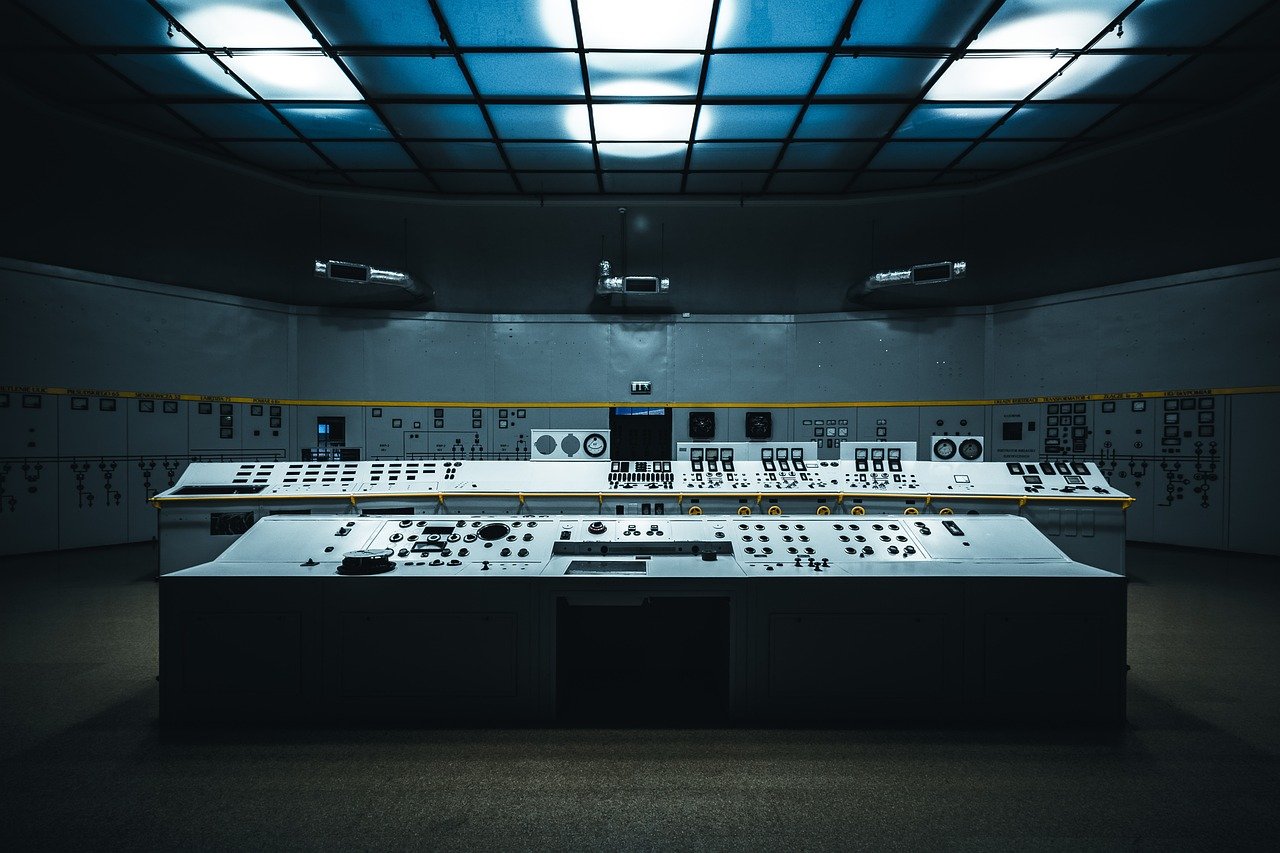
Control Room Physical Space: Crafting the Ideal Environment
First, you need a dedicated room to house your control room equipment and personnel. This space should accommodate all necessary workstations, displays, and ensure ergonomic comfort for operators.
Control Room Workstations: Operator Command Centers
Each operator needs an individual workstation, equipped with computers or consoles for accessing relevant software applications, monitoring tools, and communication systems.
Displays: The Information Hub
High-resolution displays or video walls are crucial. They present real-time data, surveillance footage, process diagrams, and alerts, allowing operators to monitor multiple sources simultaneously.
Control Room Consoles: The Interactive Interface
Control consoles integrate various control interfaces and equipment, including buttons, switches, knobs, and touchscreens. These enable operators to interact seamlessly with systems and equipment.
Communication Systems: Ensuring Connectivity
Effective communication is vital. Intercom systems, telephones, and two-way radios facilitate seamless communication among operators and with external stakeholders.
Monitoring and Surveillance: Eyes on Everything
Surveillance cameras, sensors, and monitoring equipment gather data and provide real-time information on processes, security, or environmental conditions, ensuring comprehensive oversight.
Network Infrastructure: The Digital Backbone
A robust and secure network infrastructure connects all control room components. It supports data sharing, remote access, and integration with other systems, ensuring uninterrupted operations.
Power Backup and Redundancy: Staying Operational
Uninterrupted power supply (UPS) systems or backup generators are essential to maintain continuous operation, especially during power outages or emergencies. Redundant systems minimize downtime.
Environmental Control Room: Comfort and Productivity
Temperature control, ventilation, and noise reduction measures are critical for creating a comfortable and productive working environment for operators.
Ergonomic Considerations: Operator Well-being
The design of control room furniture should prioritize ergonomics. Adjustable chairs, desks, and displays support operator comfort, preventing fatigue or injuries during long shifts.
Tailoring to Specific Needs
Remember, the specific requirements for a control room setup vary based on the industry, organization, or system being monitored. Consulting with experts and analyzing operational needs are crucial for designing an effective control room.
Creating an efficient control room requires careful planning and consideration of various elements. By focusing on these essential components, you can ensure that your control room is well-equipped to handle the demands of your organization.