Gone are the days of clunky CCTV cameras with limited functionality. Today's smart surveillance systems offer a robust and multifaceted solution for modern workplaces. These intelligent systems extend far beyond simple security, providing valuable insights and functionalities that can benefit businesses in surprising ways.
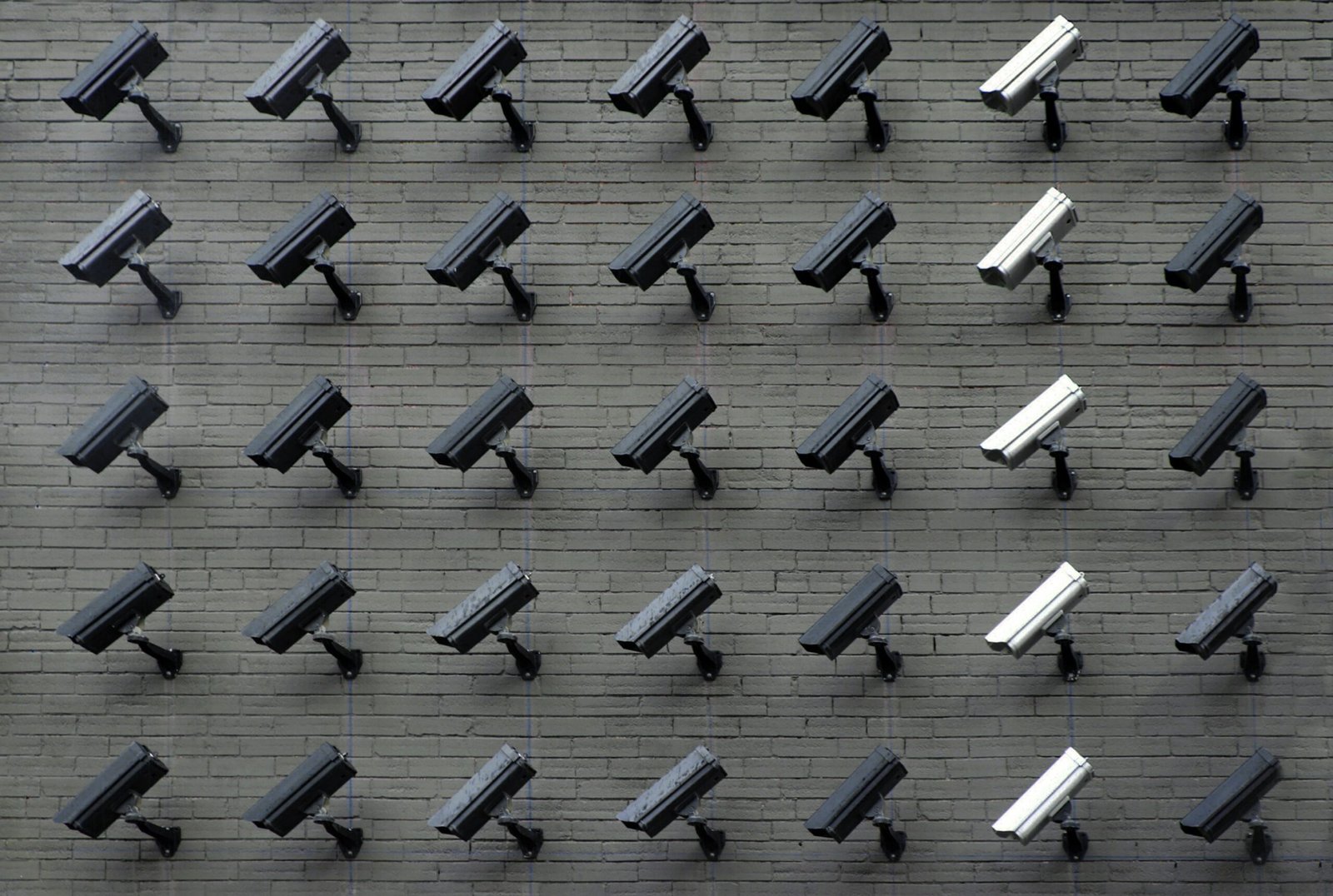
The Expanding Role of Smart Surveillance
While deterring crime and vandalism remains a crucial function, smart surveillance offers a wider range of benefits:
- Enhanced Safety: Real-time activity monitoring allows for a quicker response to emergencies or accidents. Features like fall detection can even offer proactive safety measures for employees working alone.
- Improved Operational Efficiency: Occupancy sensors can help businesses optimize office space utilization, identifying underused areas and potentially reducing real estate costs.
- Data-Driven Insights: Advanced analytics can track employee movement patterns, helping businesses optimize office layouts and workflow. Heat mapping can reveal high-traffic areas, informing decisions about resource allocation.
- Streamlined Access Control: Facial recognition technology can automate access control, granting entry to authorized personnel and deterring unauthorized individuals.
Choosing the Right Features
With the diverse functionalities available, selecting the features most relevant to your business is essential. Here are some factors to consider:
- Security Priorities: Do you require extensive coverage for a large warehouse or a more focused system for a retail store?
- Operational Needs: Is optimizing space or monitoring employee activity a primary concern?
- Privacy Considerations: Finding the right balance between security and employee privacy is crucial.
Implementing Smart Surveillance with Transparency
Open communication is key when introducing a smart surveillance system in your workplace. Here's how to ensure a smooth transition:
- Clearly communicate the purpose and limitations of the system to your employees.
- Define restricted areas where surveillance is used.
- Address employee privacy concerns and explain data security measures.
- Offer training on the system's functionalities, if applicable.
The Future of Work
Smart surveillance systems represent a significant step forward in workplace security and efficiency. By leveraging data and automation, businesses can create a safer environment for employees, optimize operations, and gain valuable insights to make data-driven decisions. As technology continues to evolve, we can expect even more innovative features and applications for smart surveillance, shaping the future of a smarter and more secure workplace.