Virtual Reality (VR)
Virtual Reality (VR) training simulations are no longer science fiction. From corporate boardrooms to military training grounds, VR is rapidly transforming the way we learn and develop skills. But how effective is this immersive technology compared to traditional training methods? Research provides compelling evidence that VR training offers significant advantages.
Boosting Knowledge Retention and Engagement
A key benefit of VR training is its ability to enhance knowledge retention. A study by PwC [1] found that learners trained with VR completed the program four times faster than those in traditional classrooms and 1.5 times faster than e-learners. This accelerated learning is attributed to VR's ability to create a truly engaging experience. Unlike passive lectures, VR places trainees in realistic scenarios, forcing them to actively participate and make decisions, solidifying the learning process.
Another study published in the International Journal of Training and Development [2] compared VR training to traditional classroom instruction for firefighters. The results showed that VR trainees performed significantly better on practical tasks and scored higher on knowledge tests. This highlights VR's effectiveness in not only imparting theoretical knowledge but also translating
it into practical skills.
Emotional Connection and Improved Performance
VR excels at creating emotionally charged experiences. The same PwC study [1] demonstrated that VR learners were 3.75 times more emotionally connected to the training content compared to classroom learners. This emotional connection fosters deeper engagement and a more memorable learning experience.
This enhanced emotional connection translates to improved job performance. A study by Boeing [3] reported a 40% reduction in errors made by airplane mechanics after undergoing VR training compared to traditional methods. Similarly, a study by the University of Minnesota [4] found that surgeons trained in VR environments performed laparoscopic surgeries with fewer errors and greater efficiency.
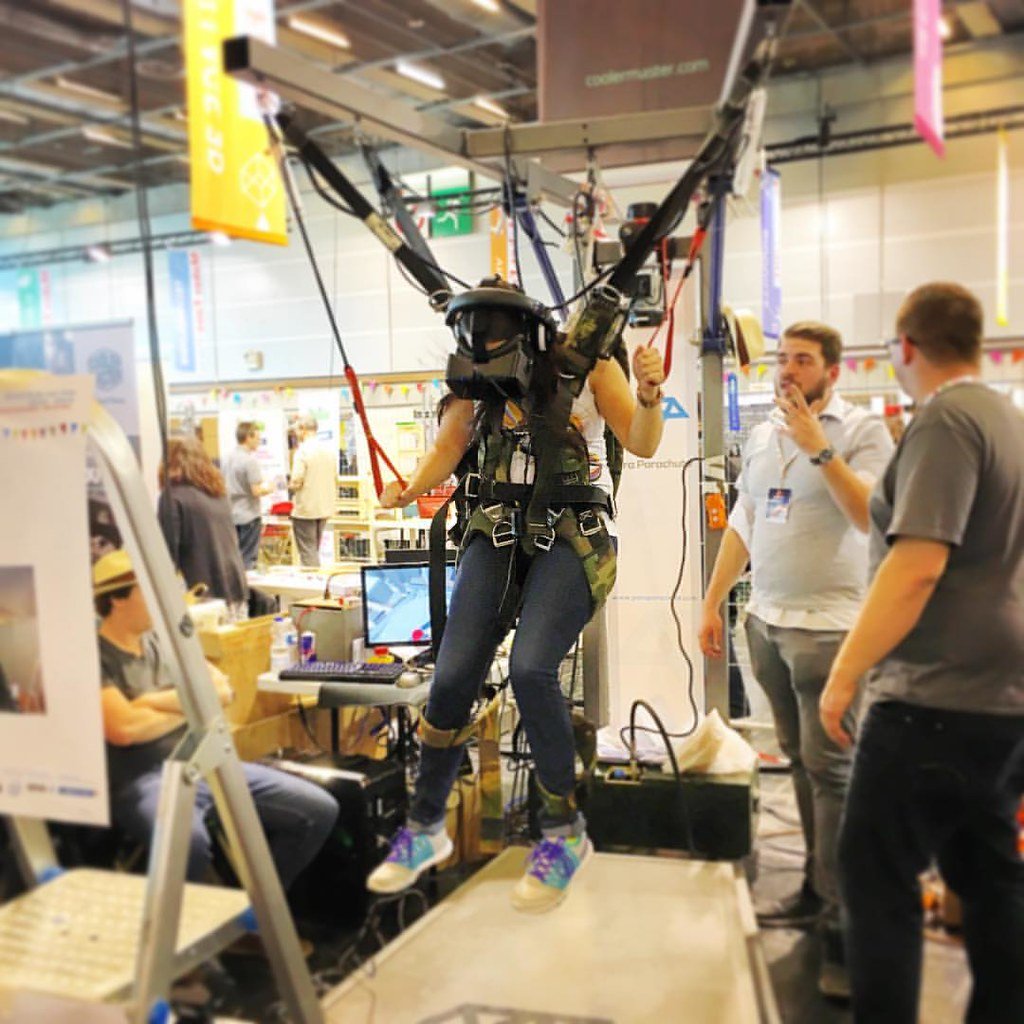
Baca juga: How VR Empowers Lives for People with Disabilities
Beyond Efficiency: VR's Unique Advantages
VR training offers benefits beyond just improved knowledge retention and performance. Here are some unique advantages:
- Safe and Controlled Environments: VR allows trainees to practice complex or potentially dangerous tasks in a safe, simulated environment. This is particularly valuable for professions like firefighting, aviation, or hazardous materials handling.
- Scalability and Accessibility: VR training programs can be easily scaled and delivered to geographically dispersed teams. Additionally, VR simulations can be readily updated, ensuring trainees learn with the most current information.
- Data-Driven Feedback: VR training can track user performance, providing valuable data and insights for instructors to tailor future training experiences for individual needs.
The Future of VR Training
While research overwhelmingly supports the effectiveness of VR training, it's important to acknowledge limitations. The initial cost of VR equipment and development can be a barrier for some organizations. Additionally, VR experiences may not be suitable for all types of training, particularly those that require strong social interaction or physical manipulation of objects.
However, as VR technology continues to evolve and becomes more affordable, its role in training is poised to expand. The integration of artificial intelligence (AI) within VR simulations can create even more personalized and adaptive learning experiences. With its immersive and engaging nature, VR training is undoubtedly a powerful tool for shaping the future of workforce development.
Sources
- [1] PwC: "https://wondder.io/wp-content/uploads/2022/12/pwc-understanding-the-effectiveness-of-soft-skills-training-in-the-enterprise-a-study.pdf"
- [2] International Journal of Training and Development: "https://www.sciencedirect.com/science/article/pii/S209657962200081X"
- [3] Boeing: "https://www.pwc.com/us/en/tech-effect/emerging-tech/virtual-reality-study.html" (mentioned in source 1, details about Boeing study not publicly available)
- [4] University of Minnesota: "https://www.ncbi.nlm.nih.gov/pmc/articles/PMC1422600/"